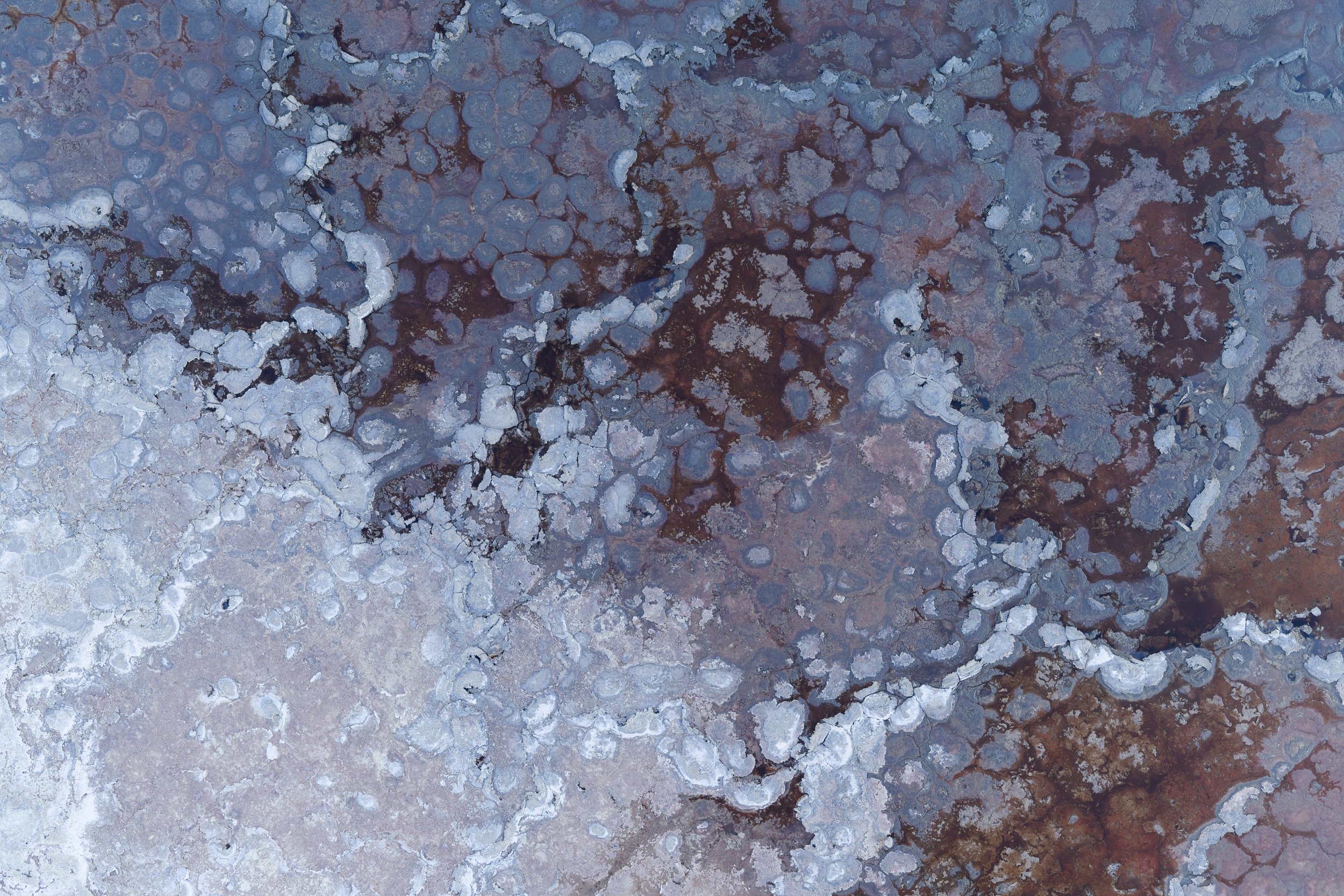
Owens Lake
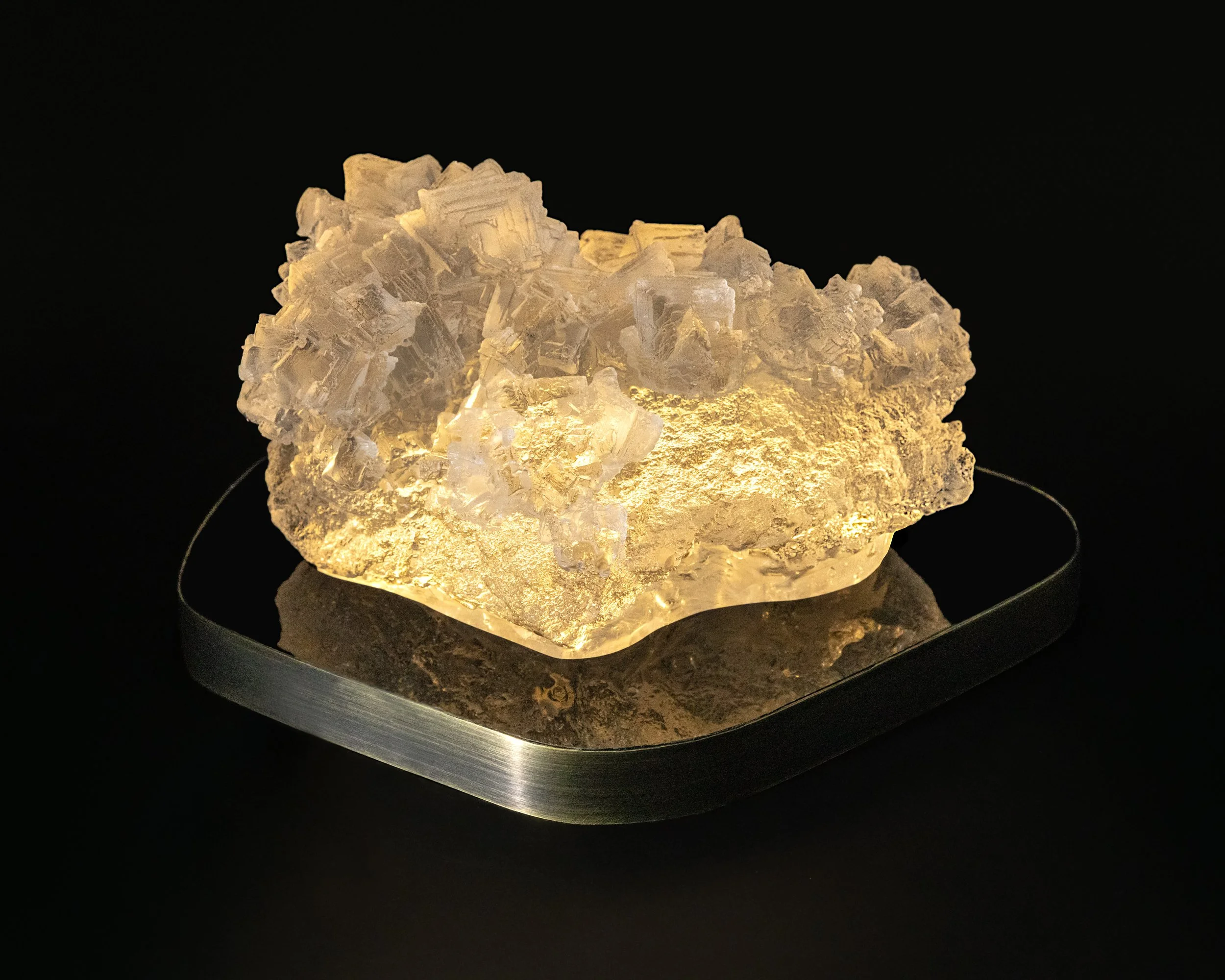
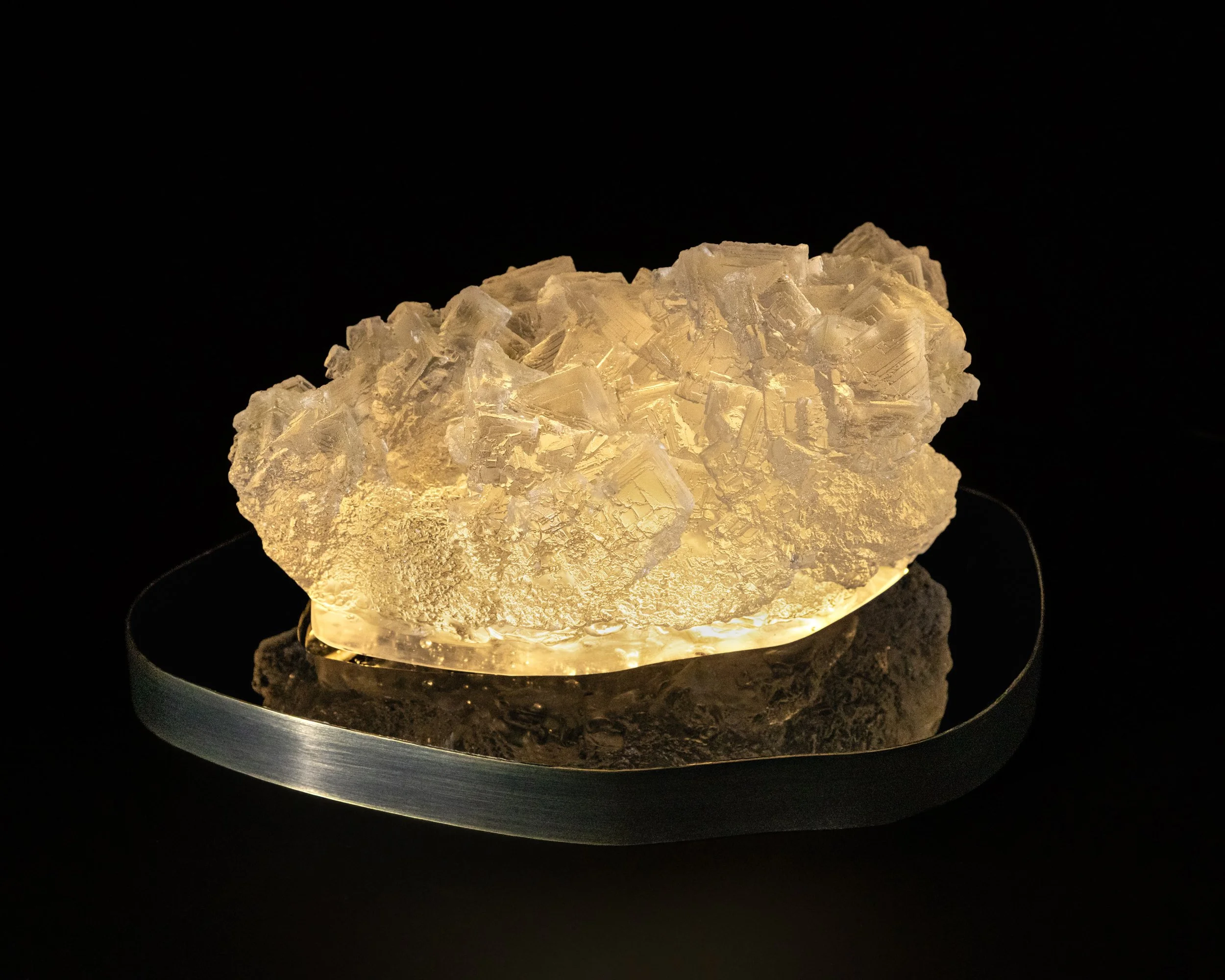
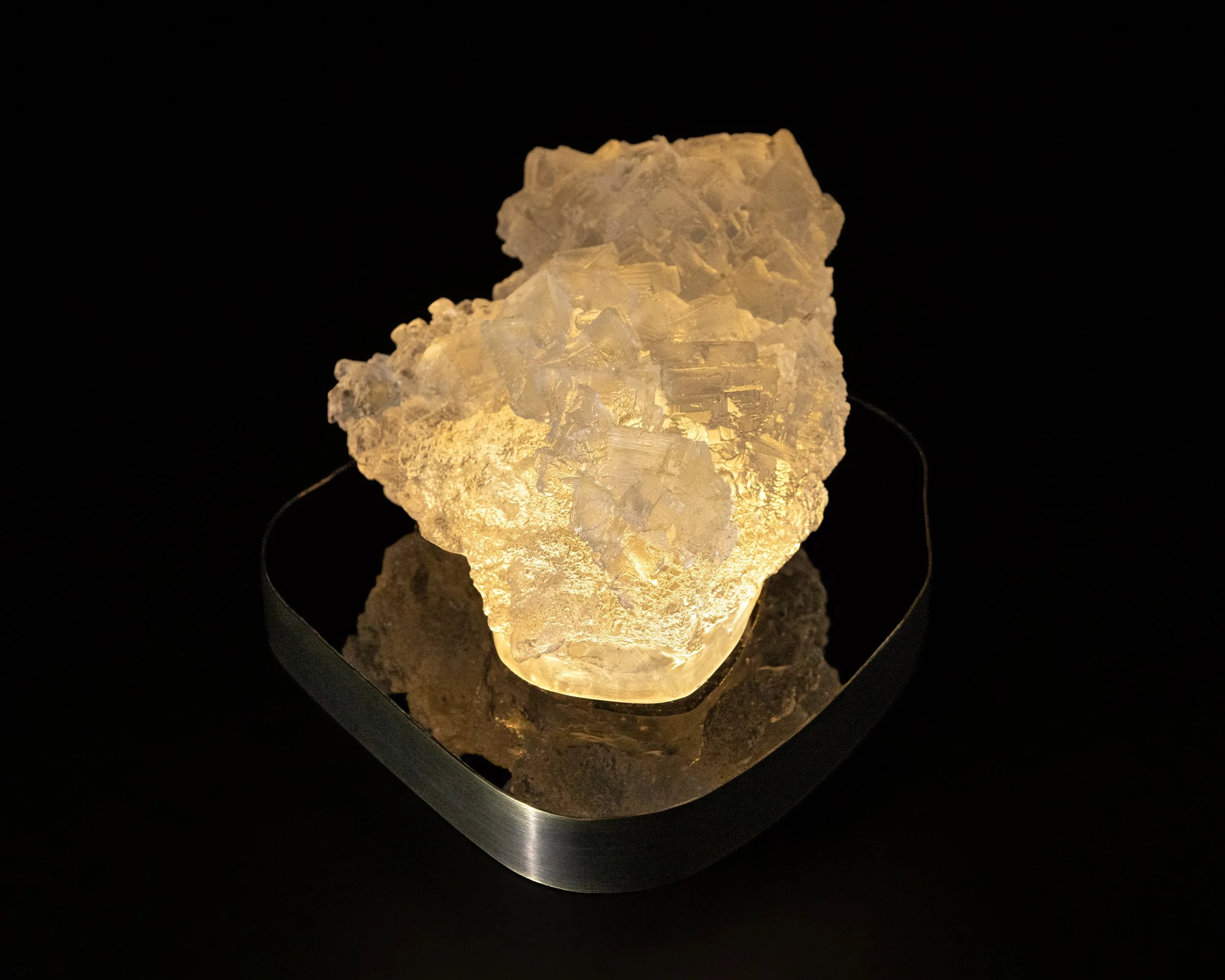
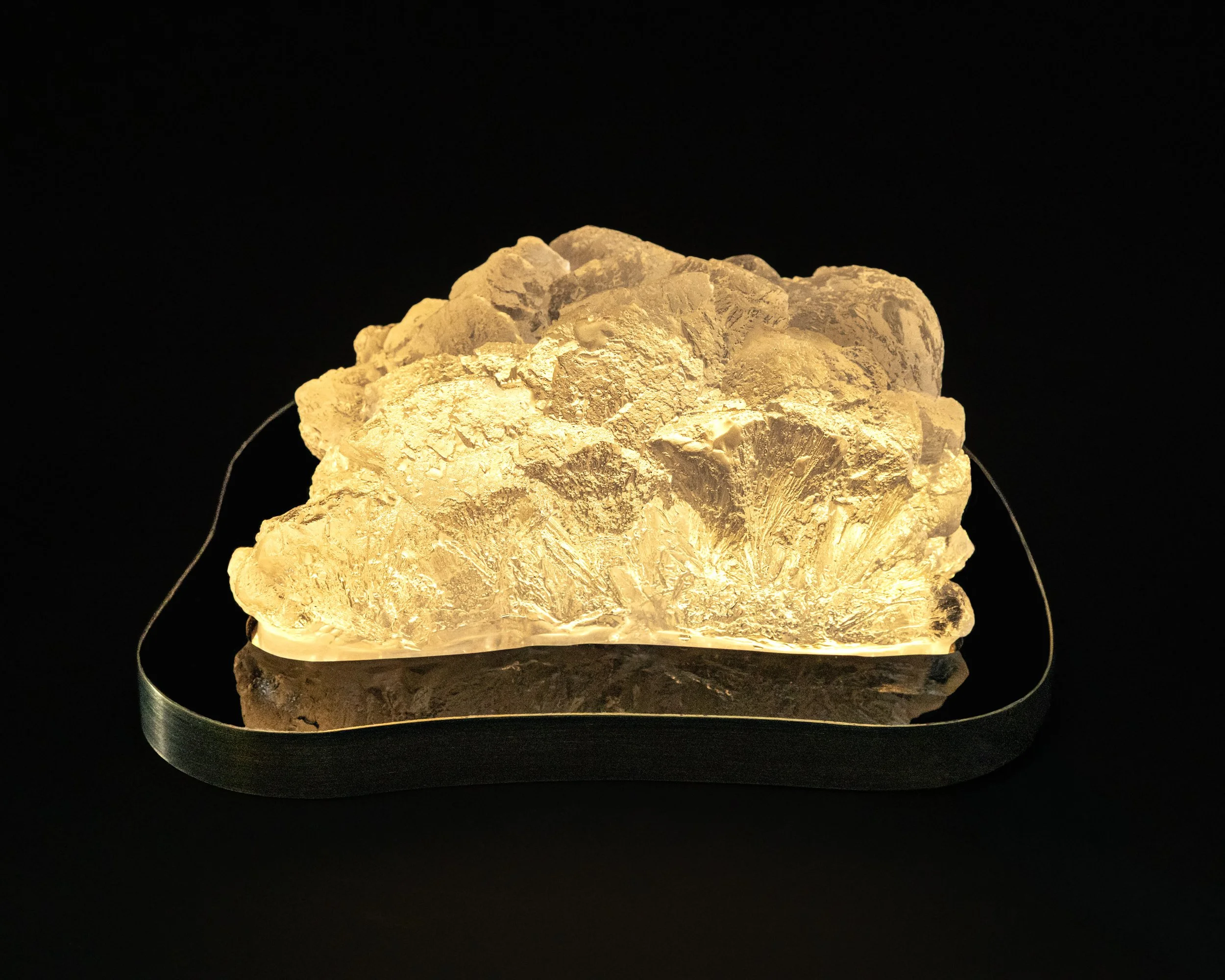
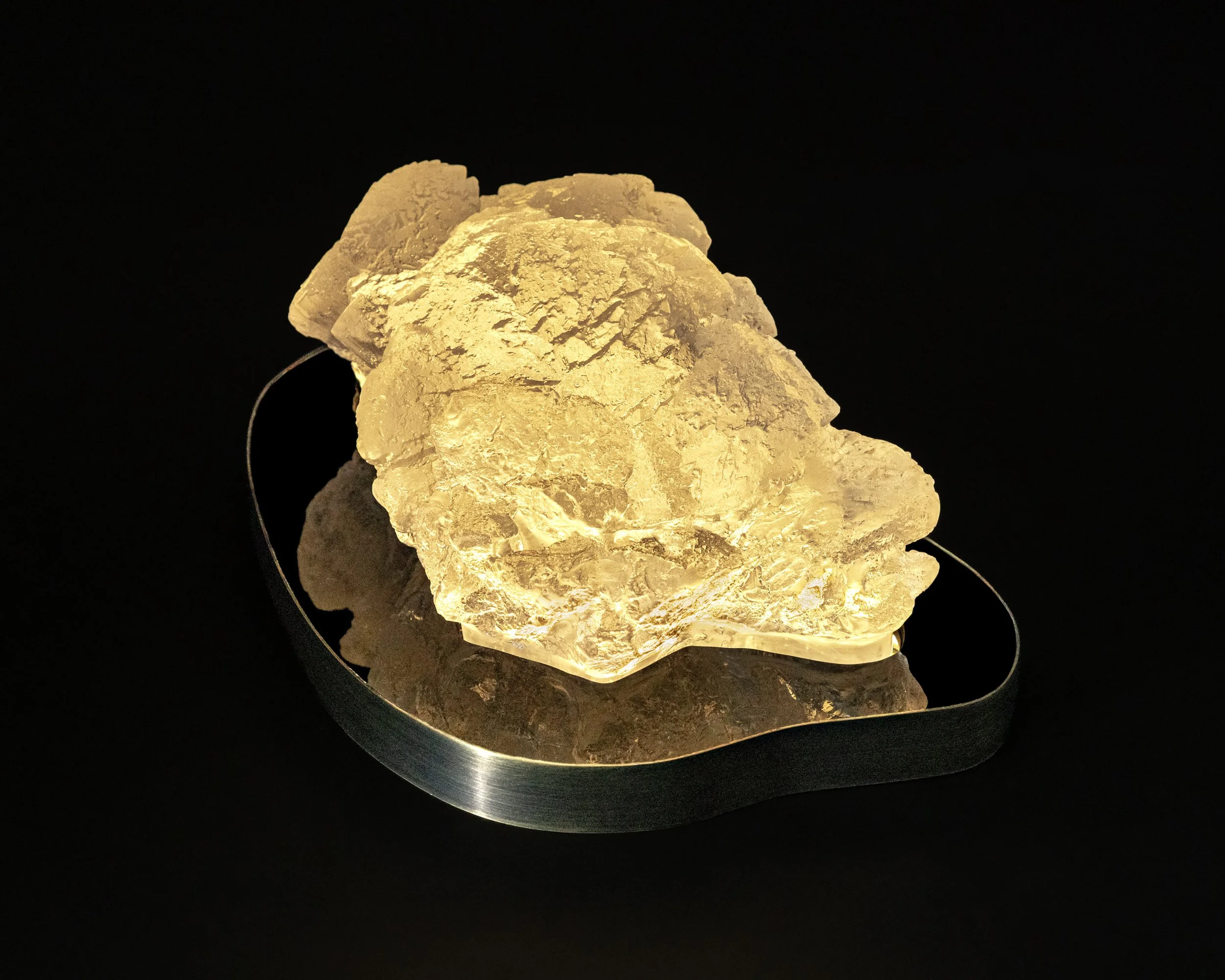
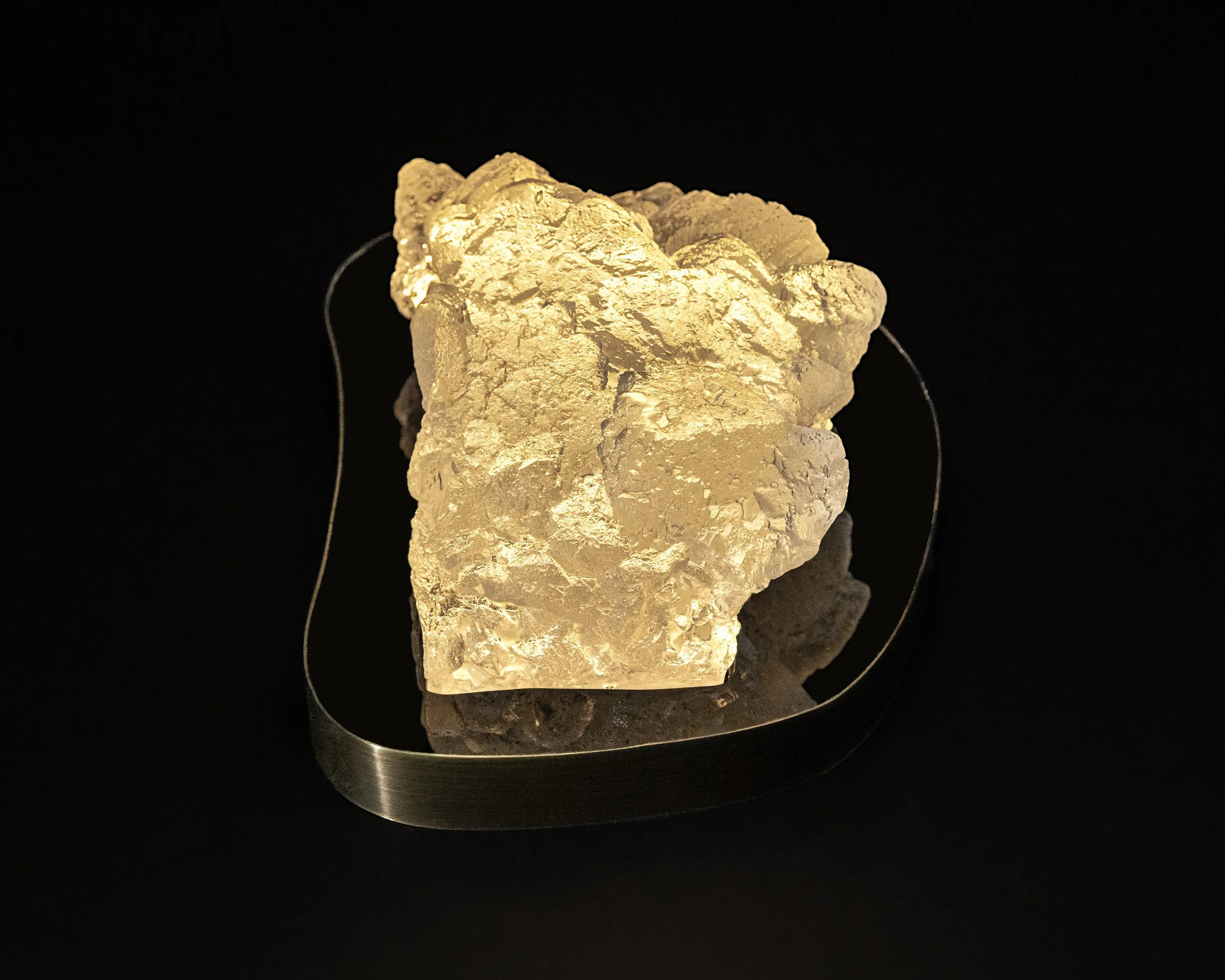
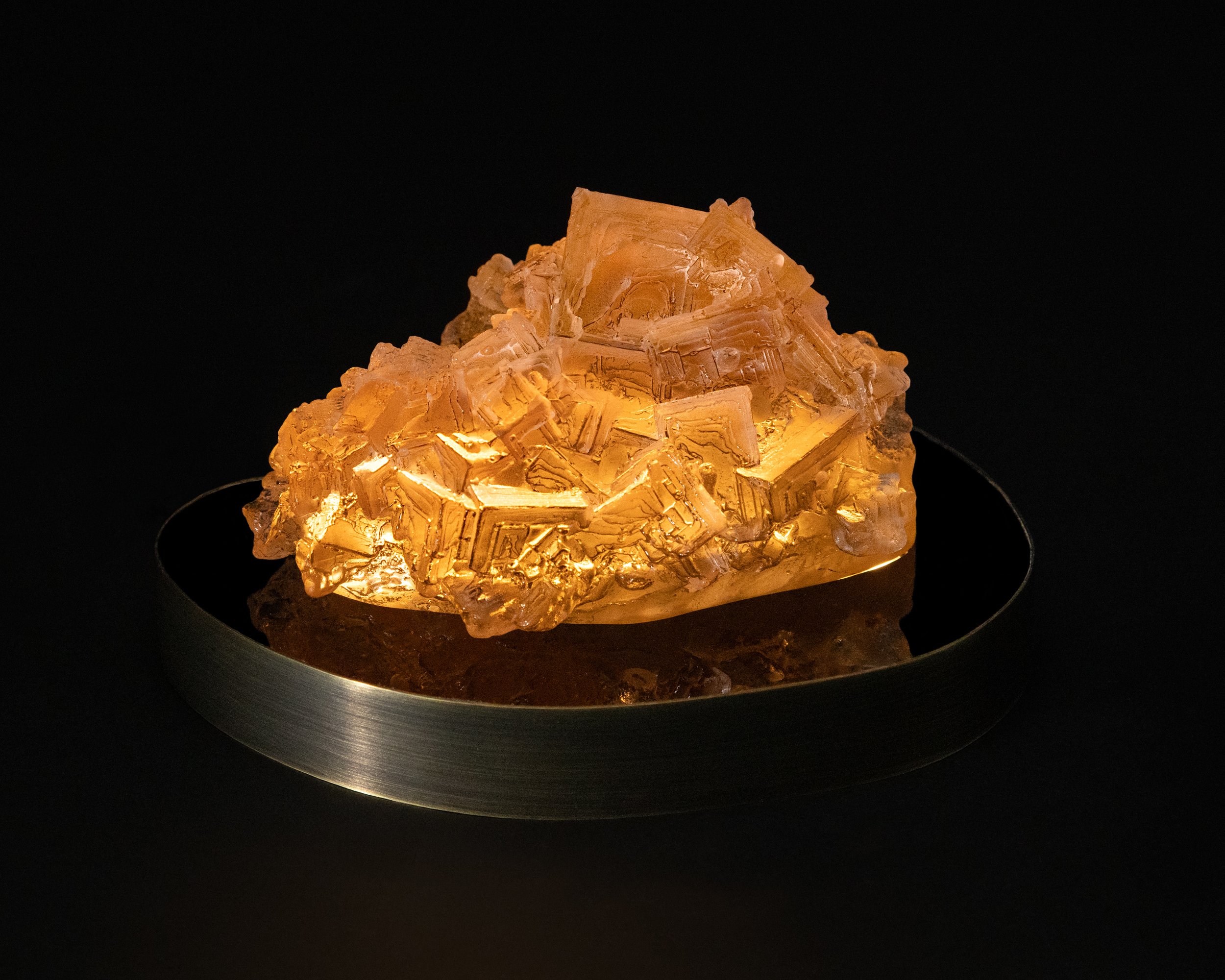
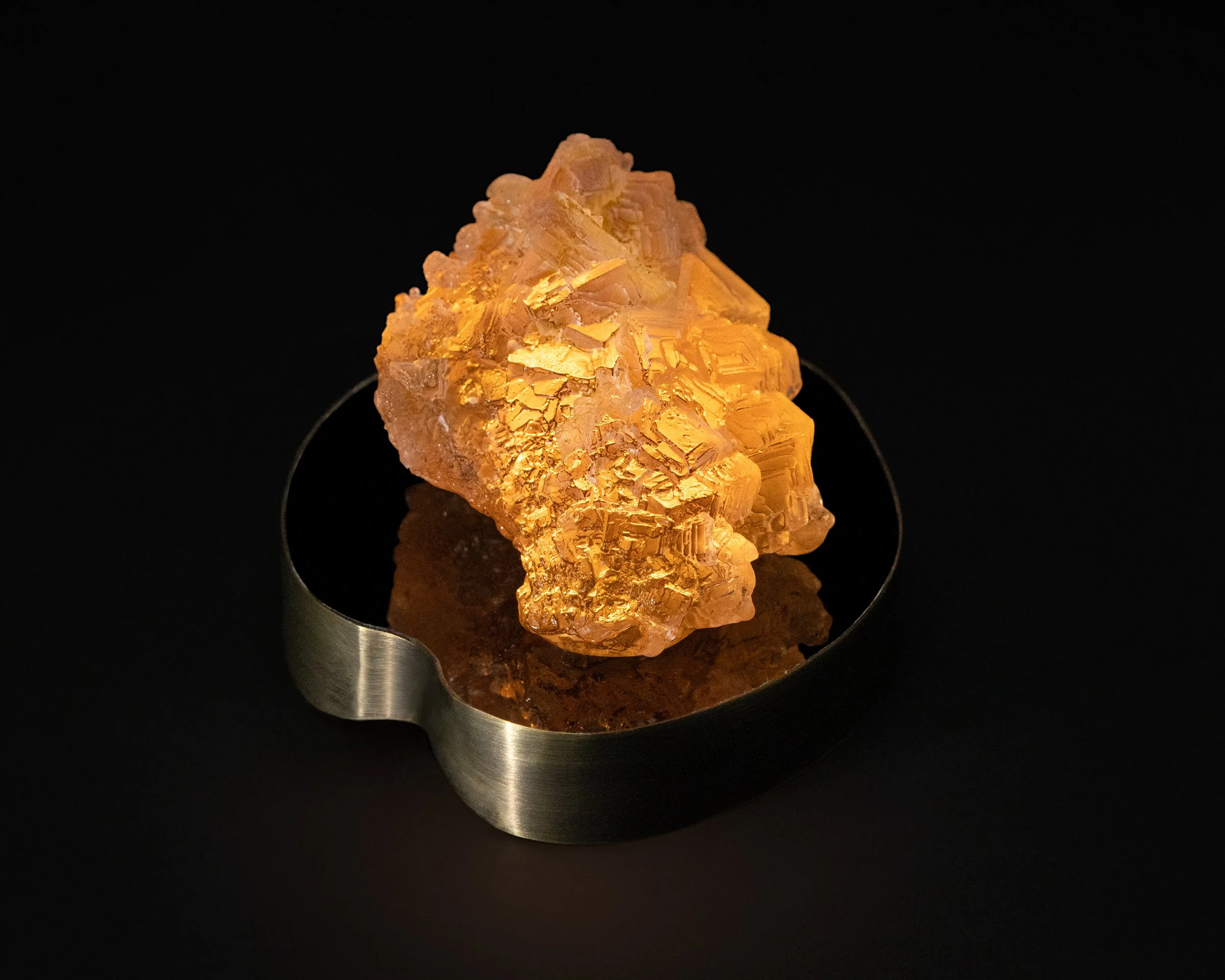
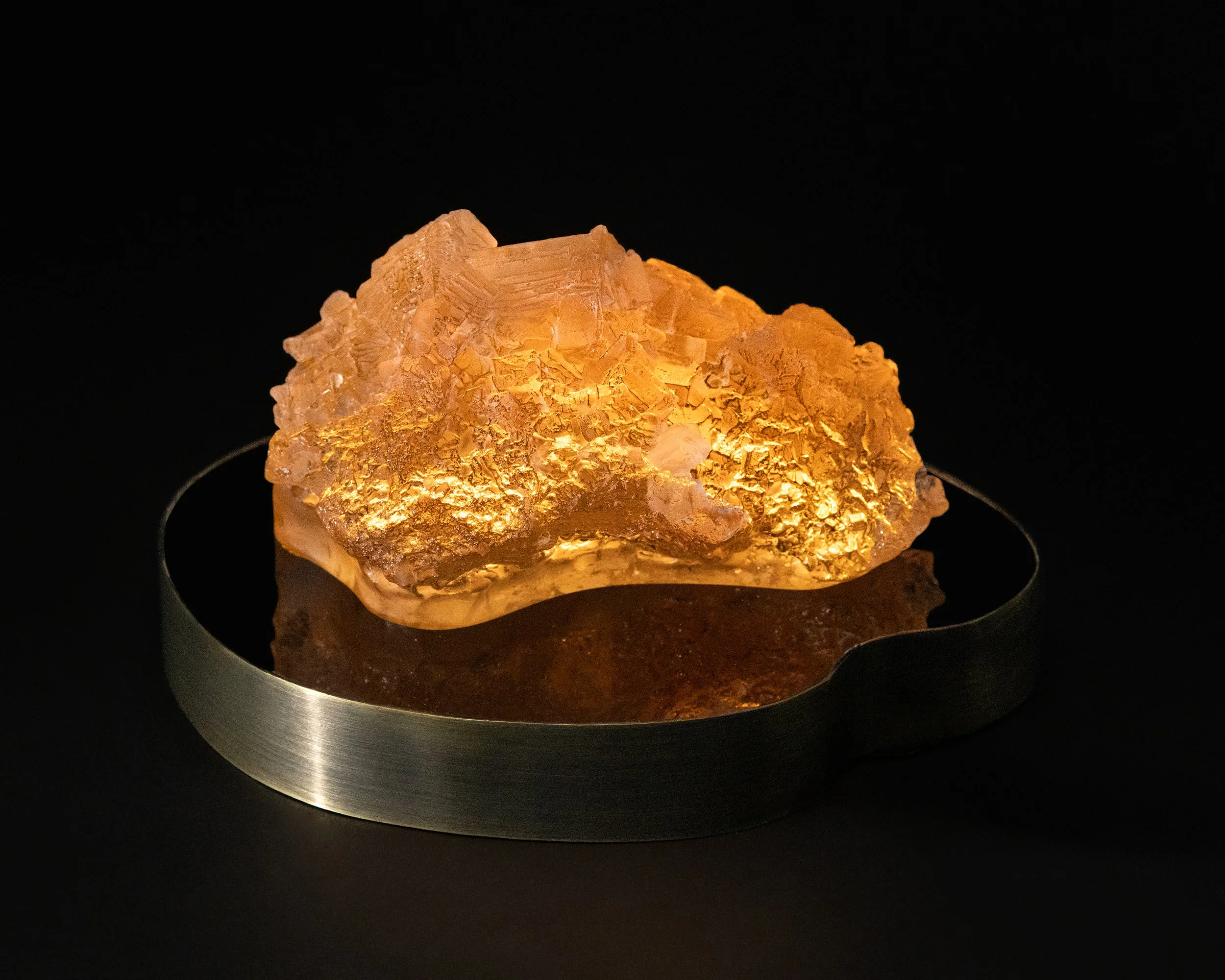
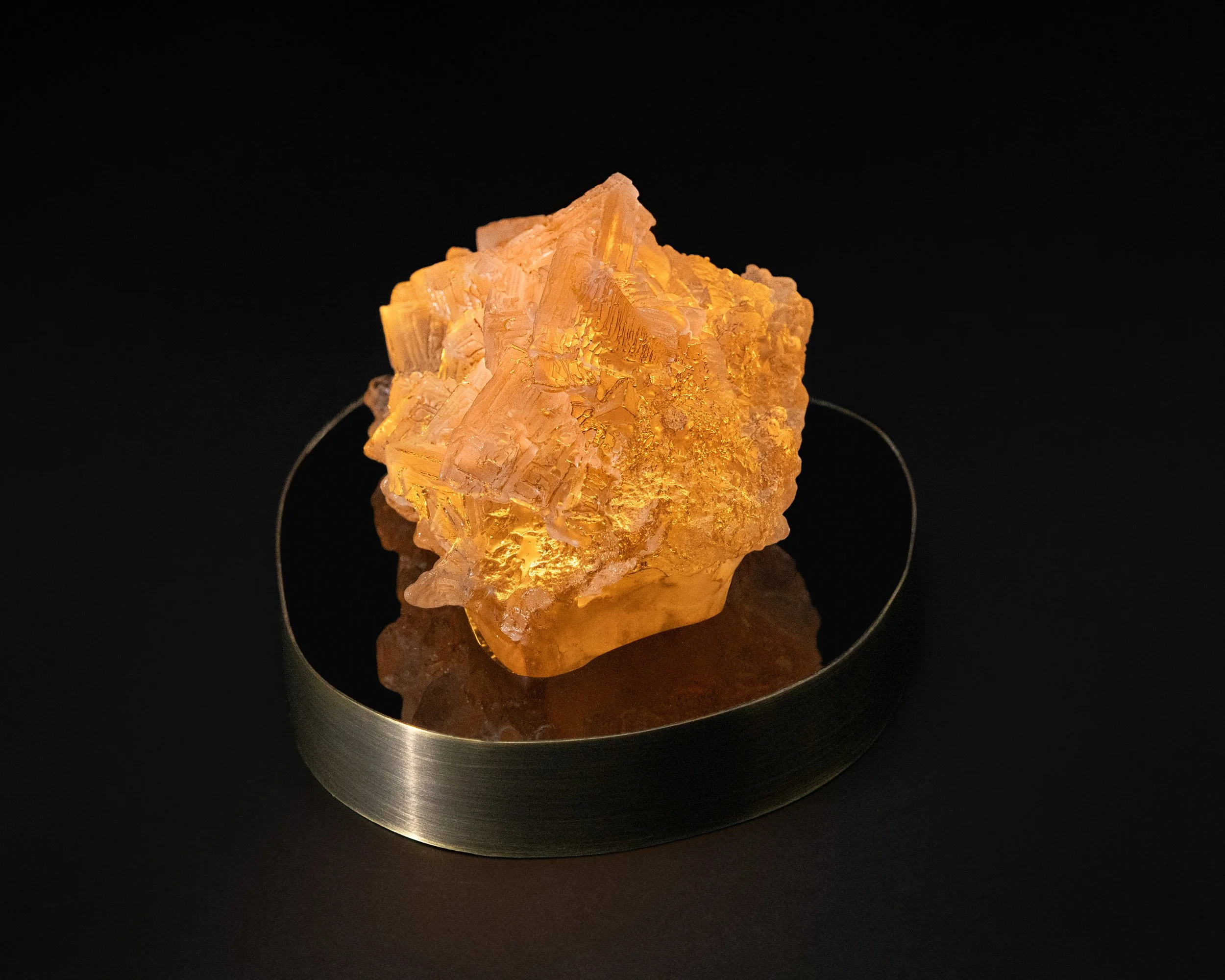
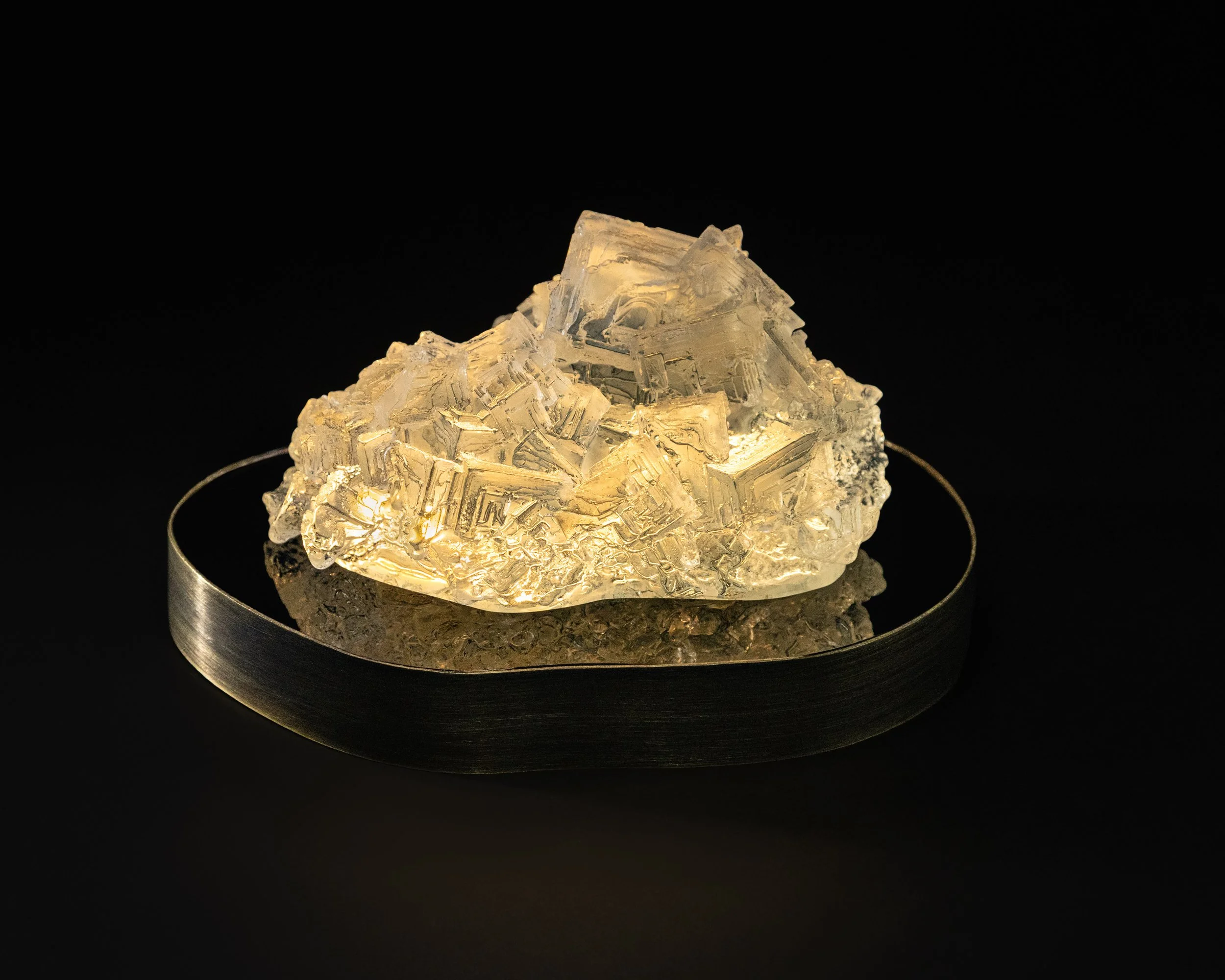
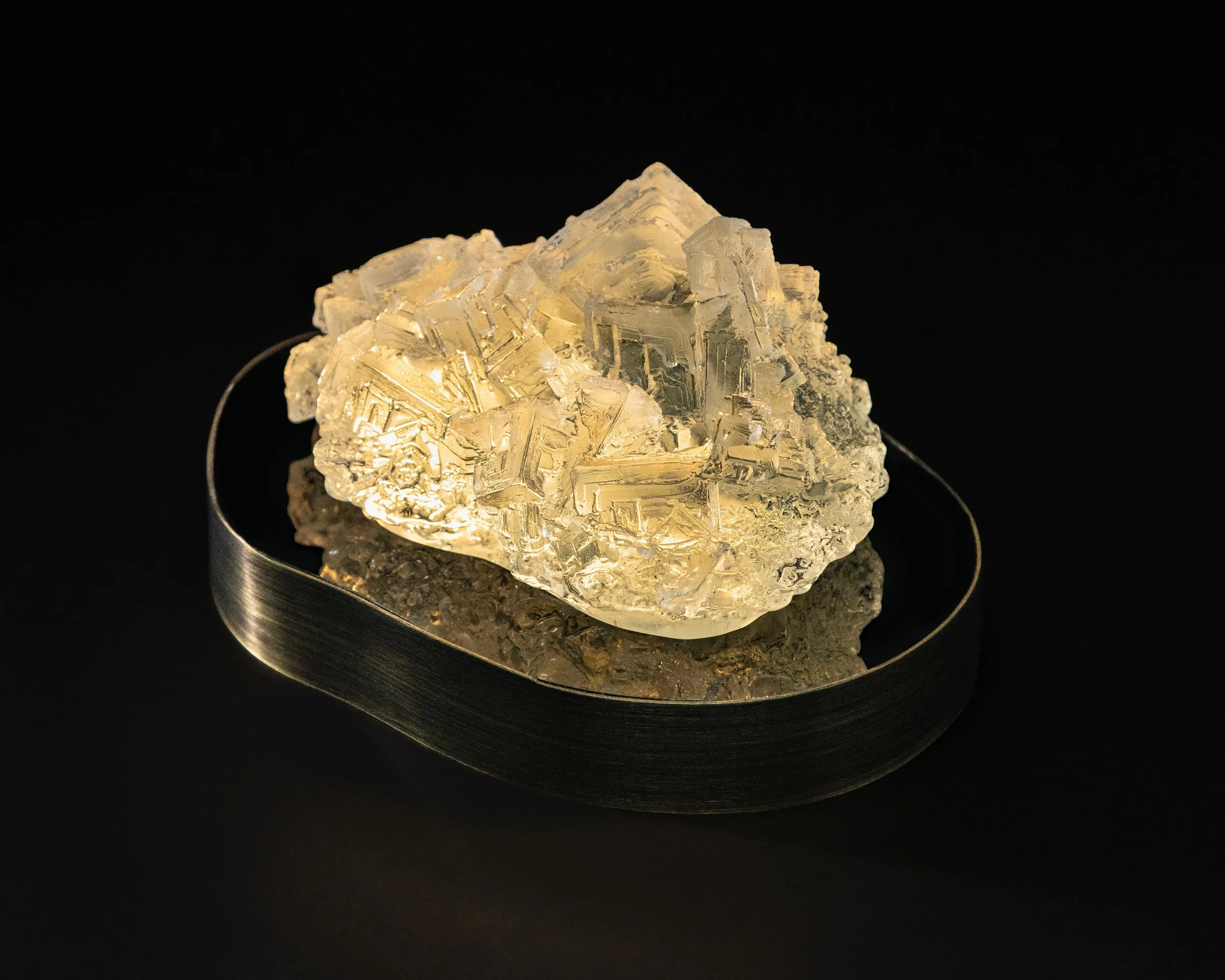
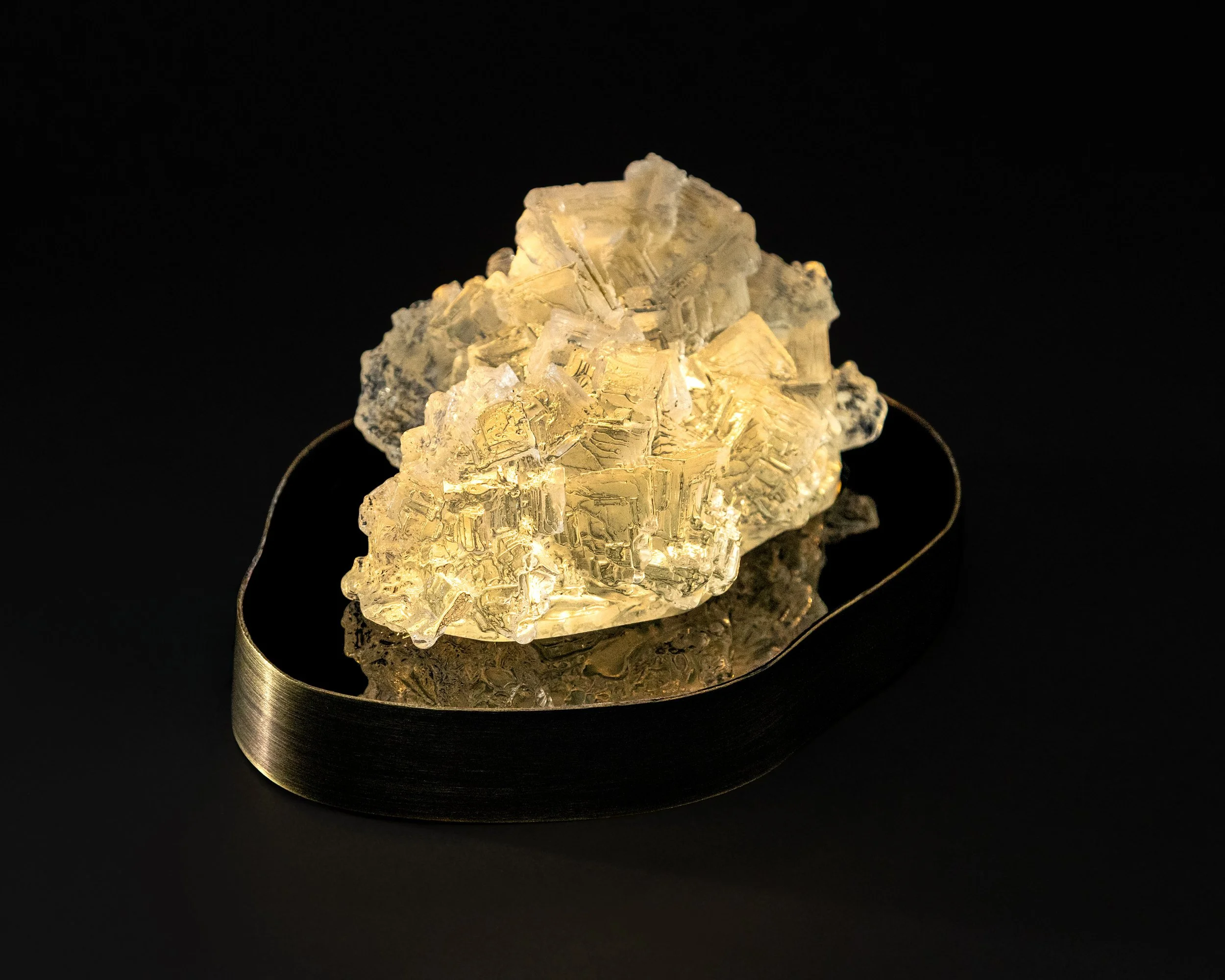
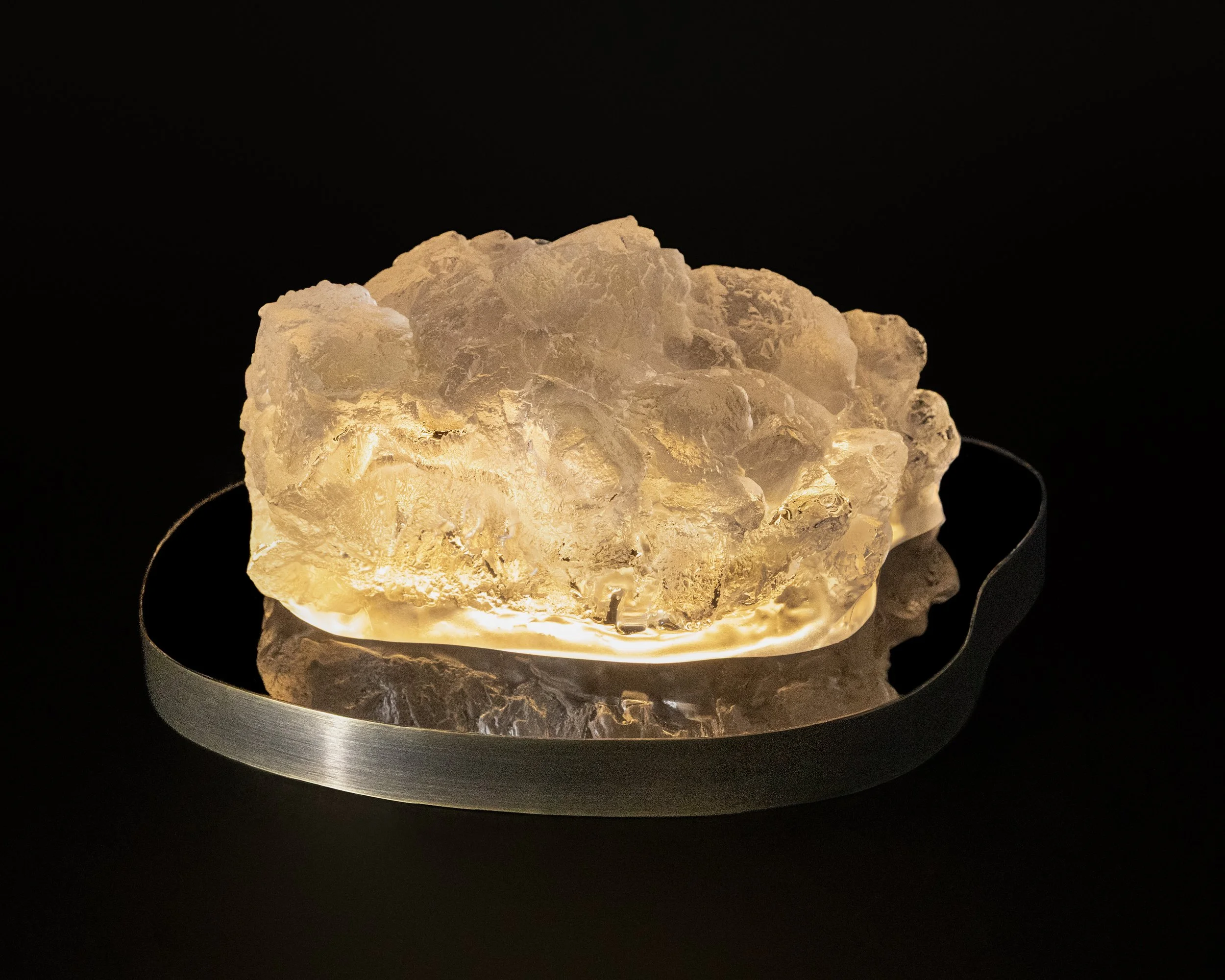
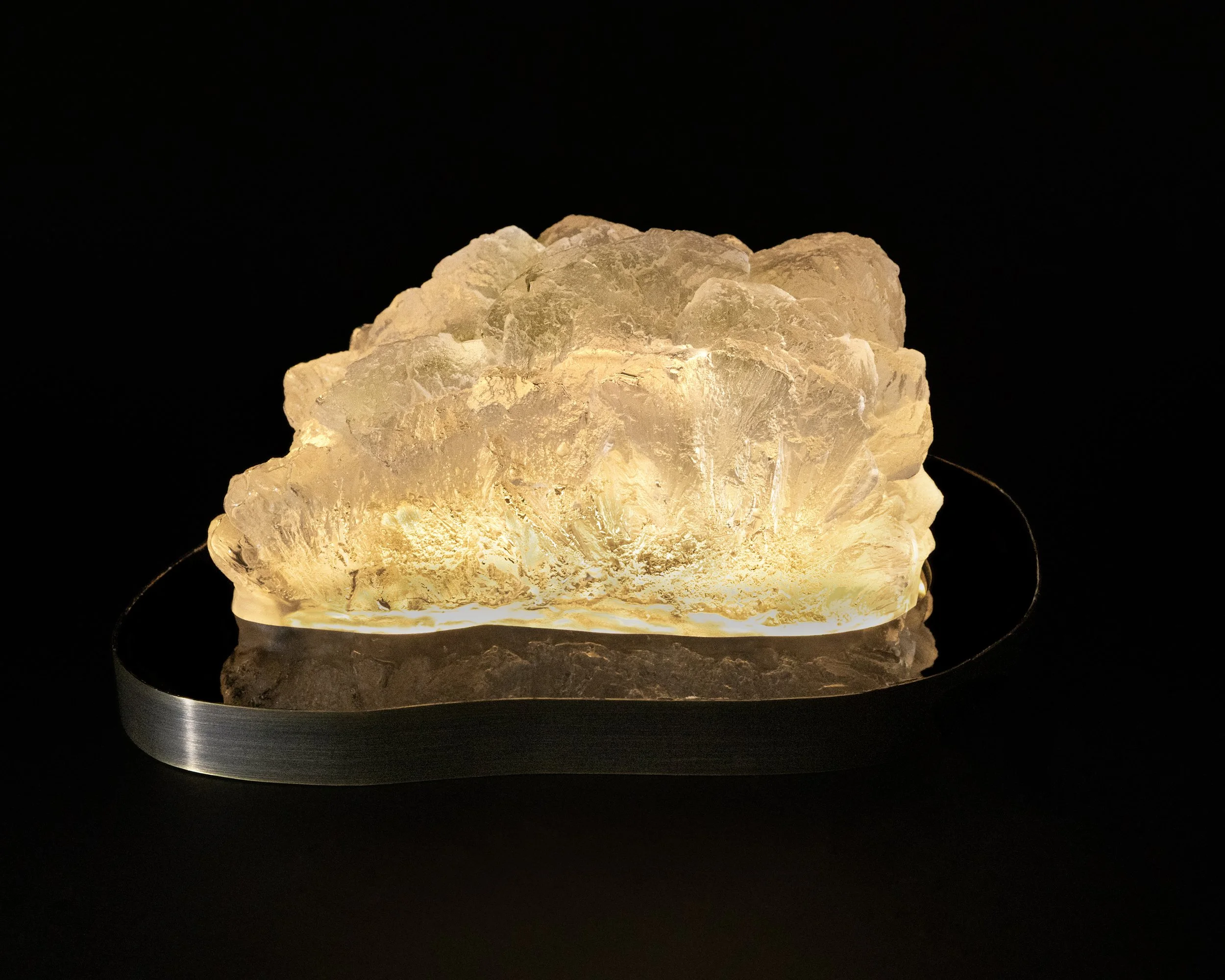
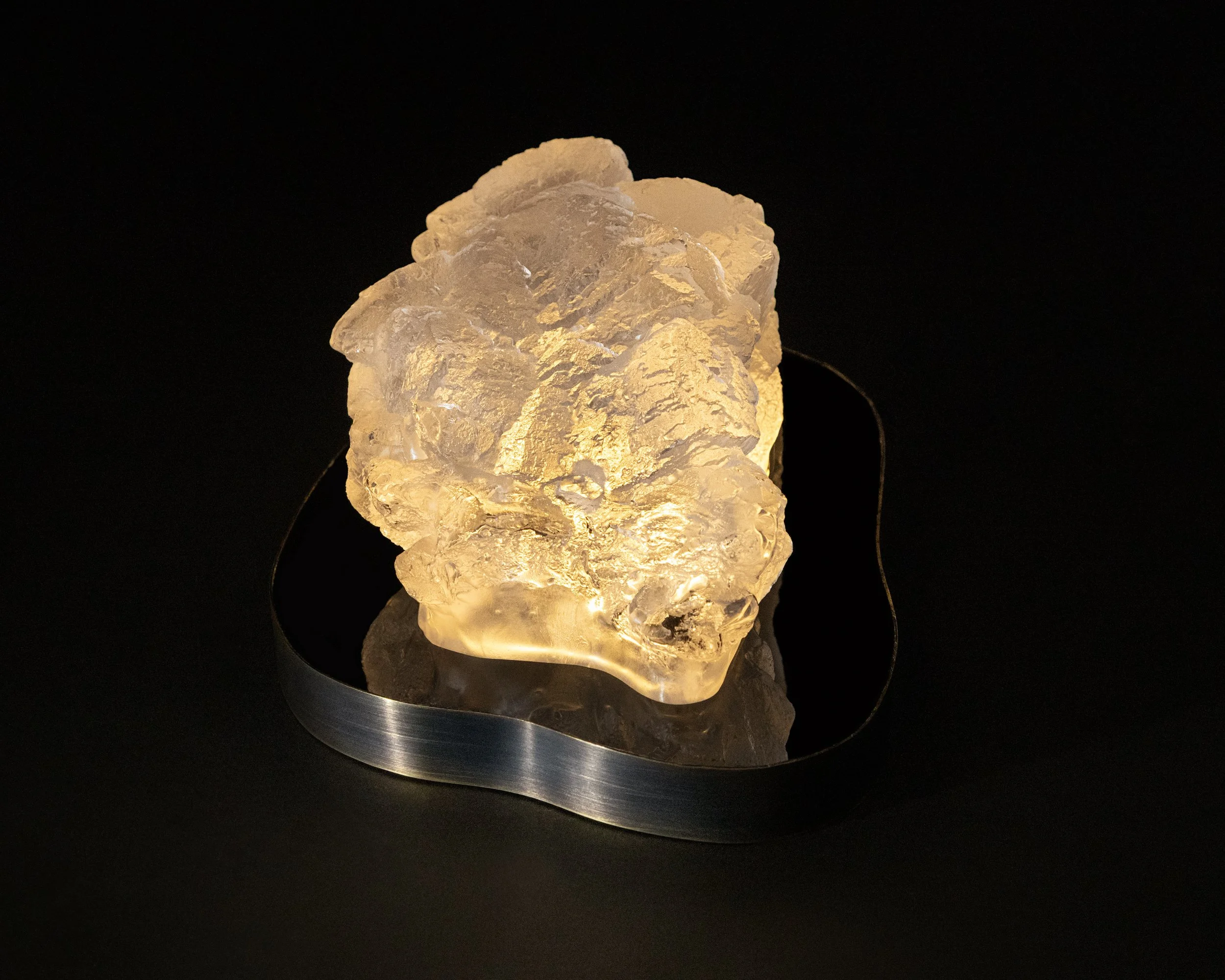
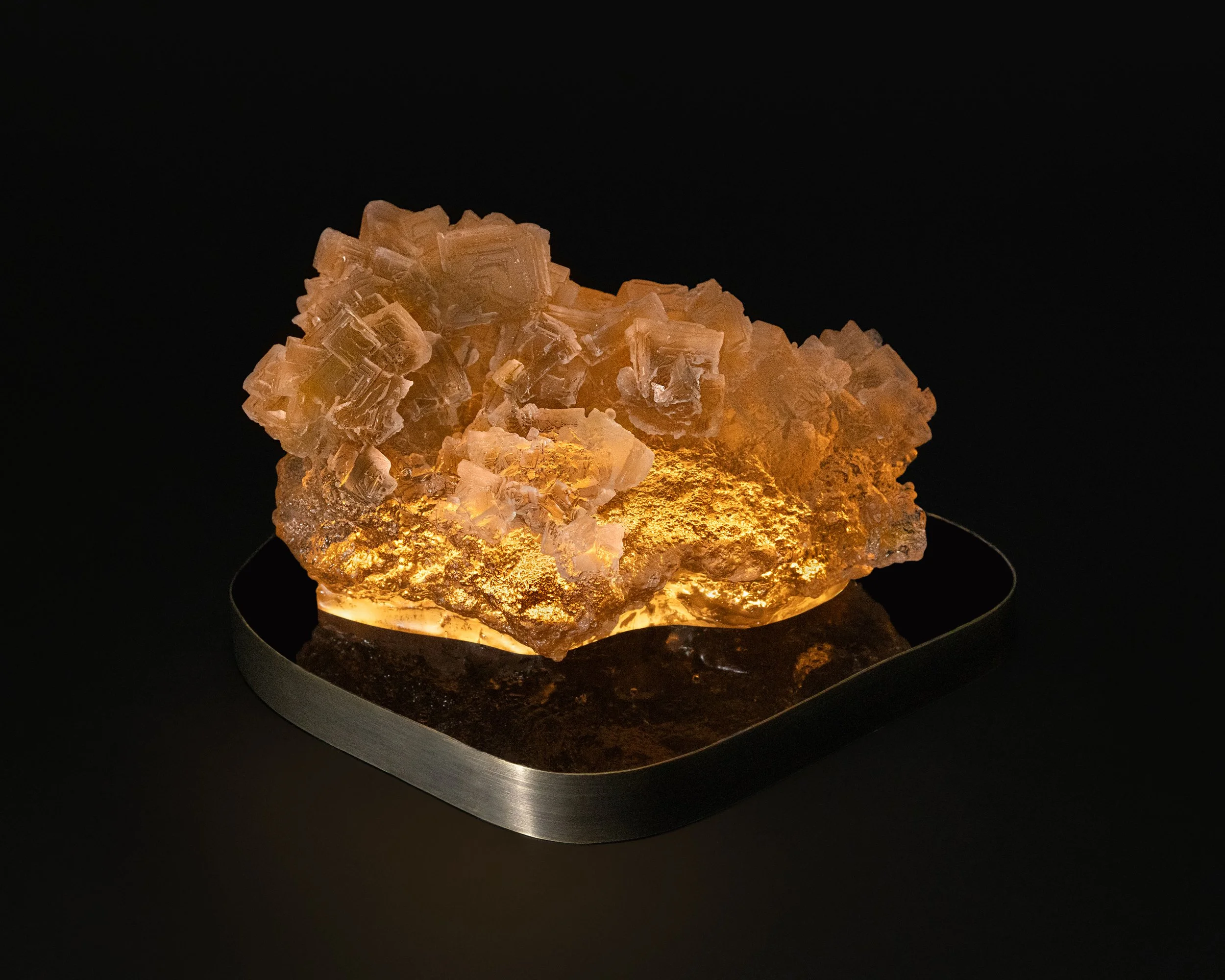
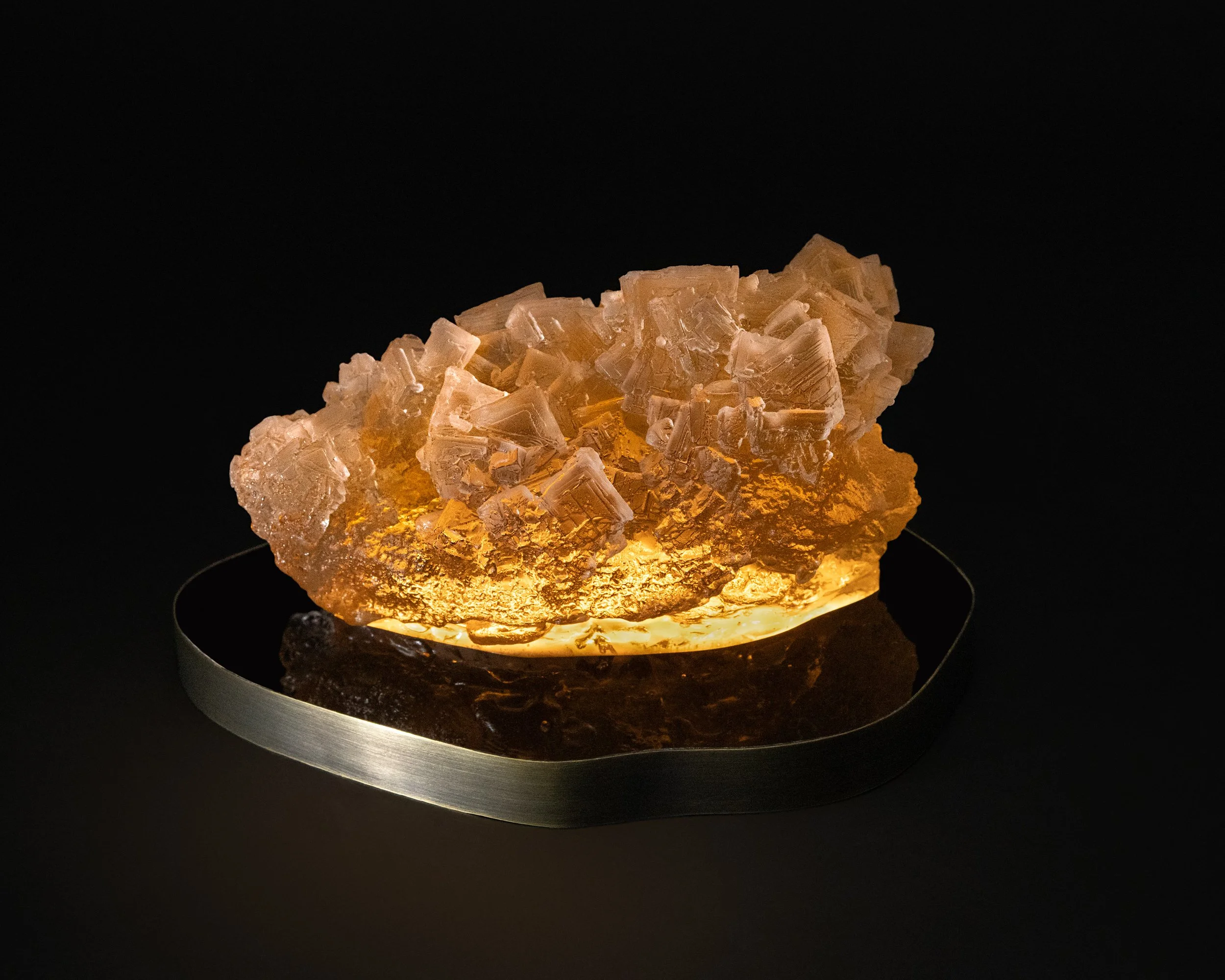
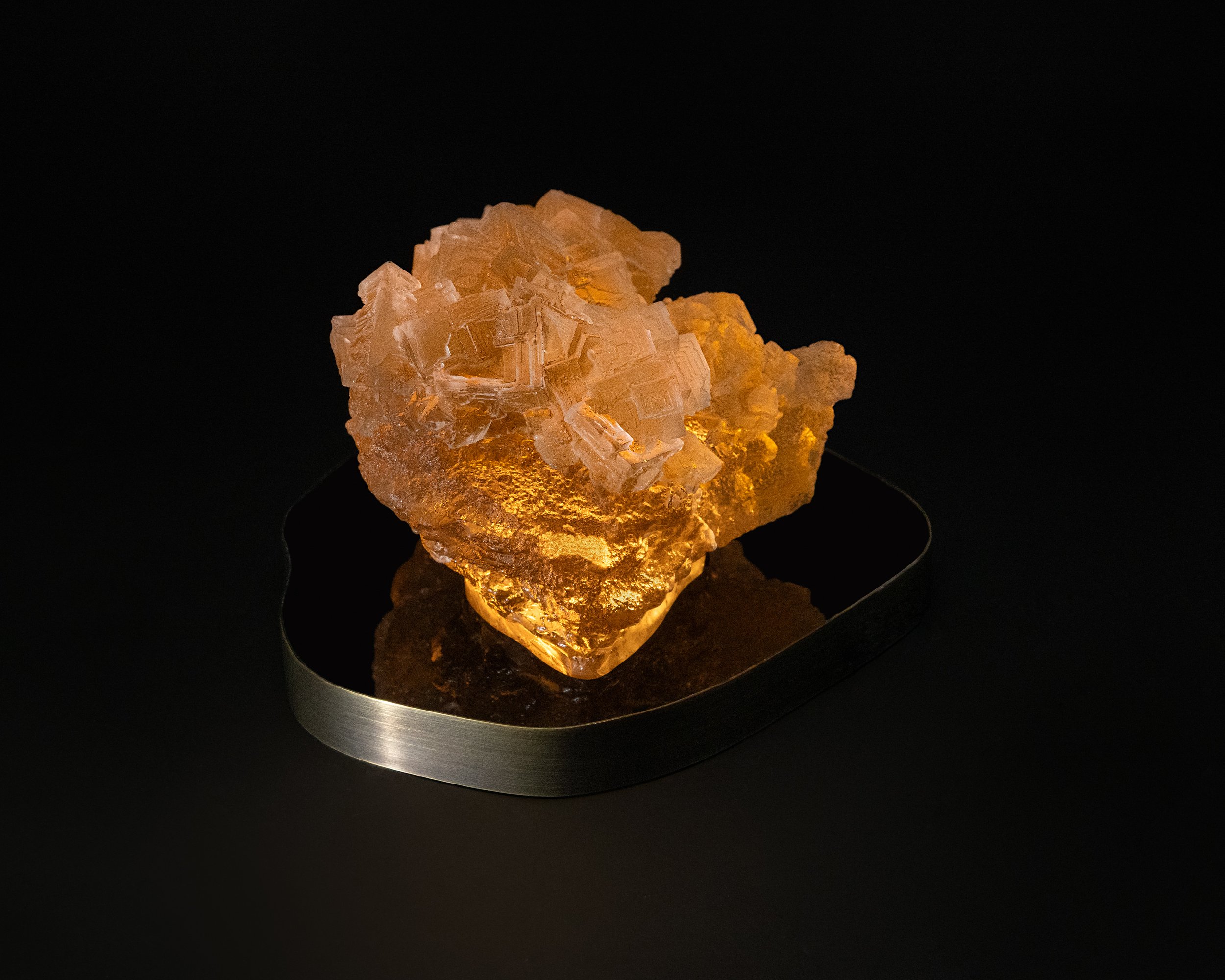
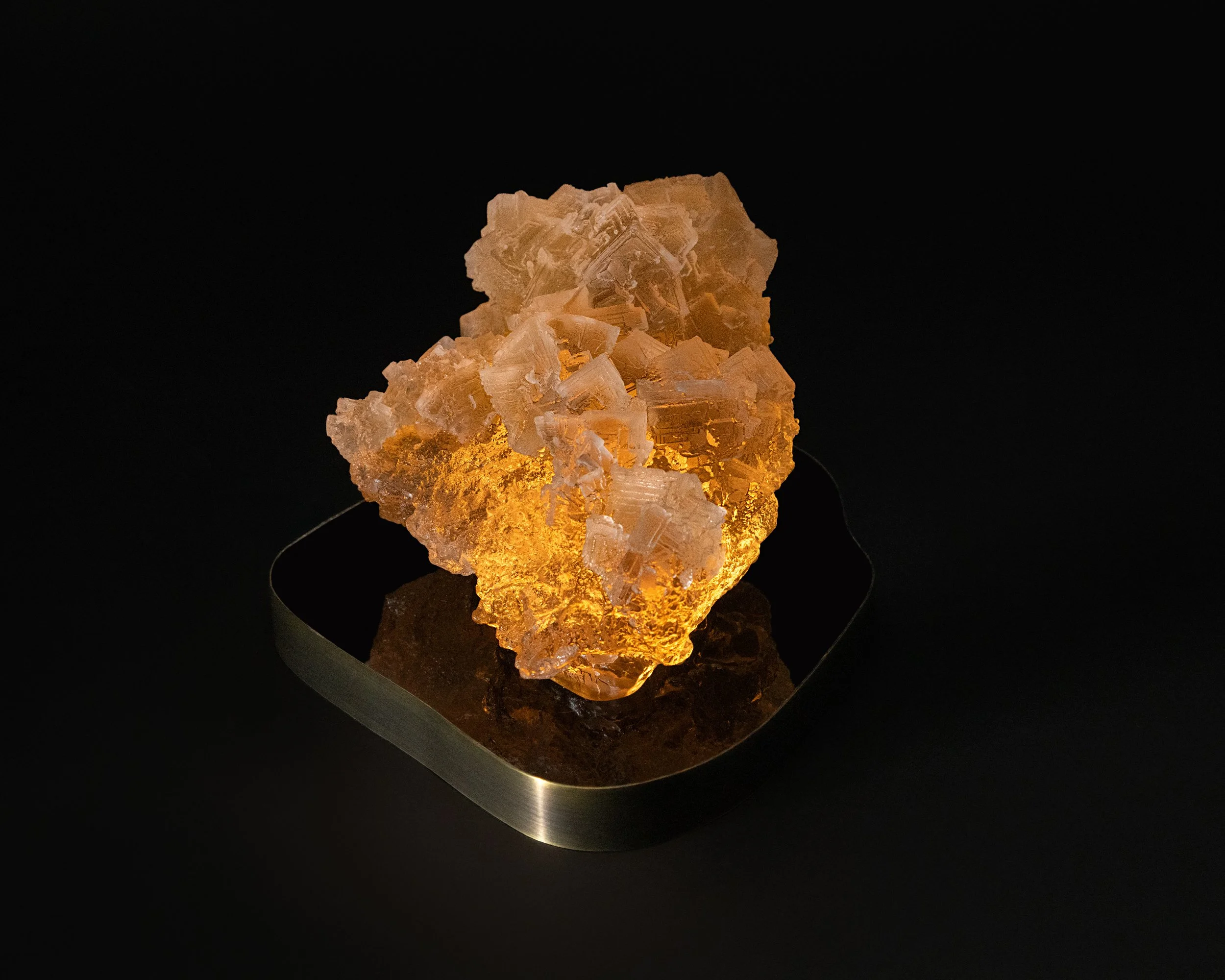
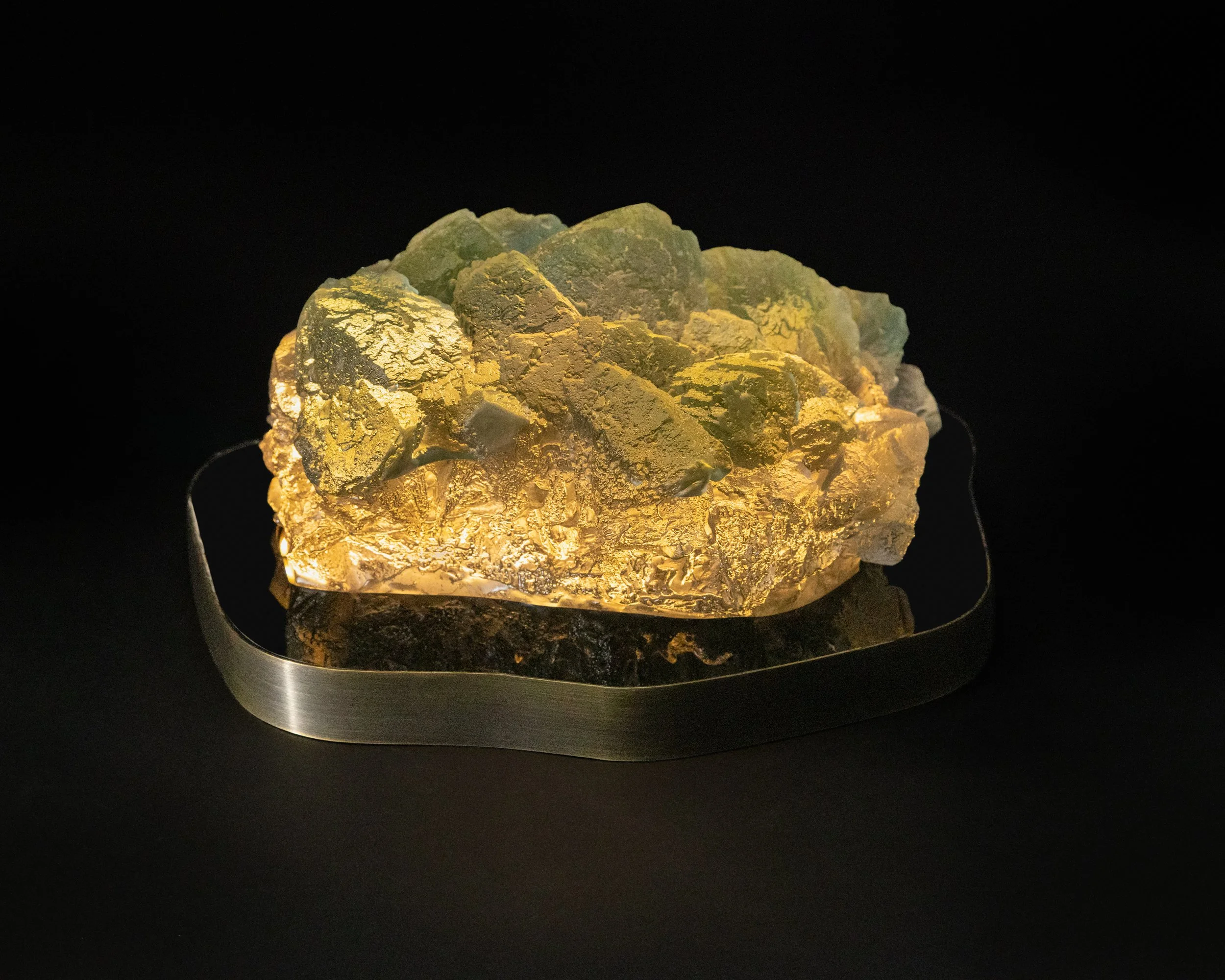
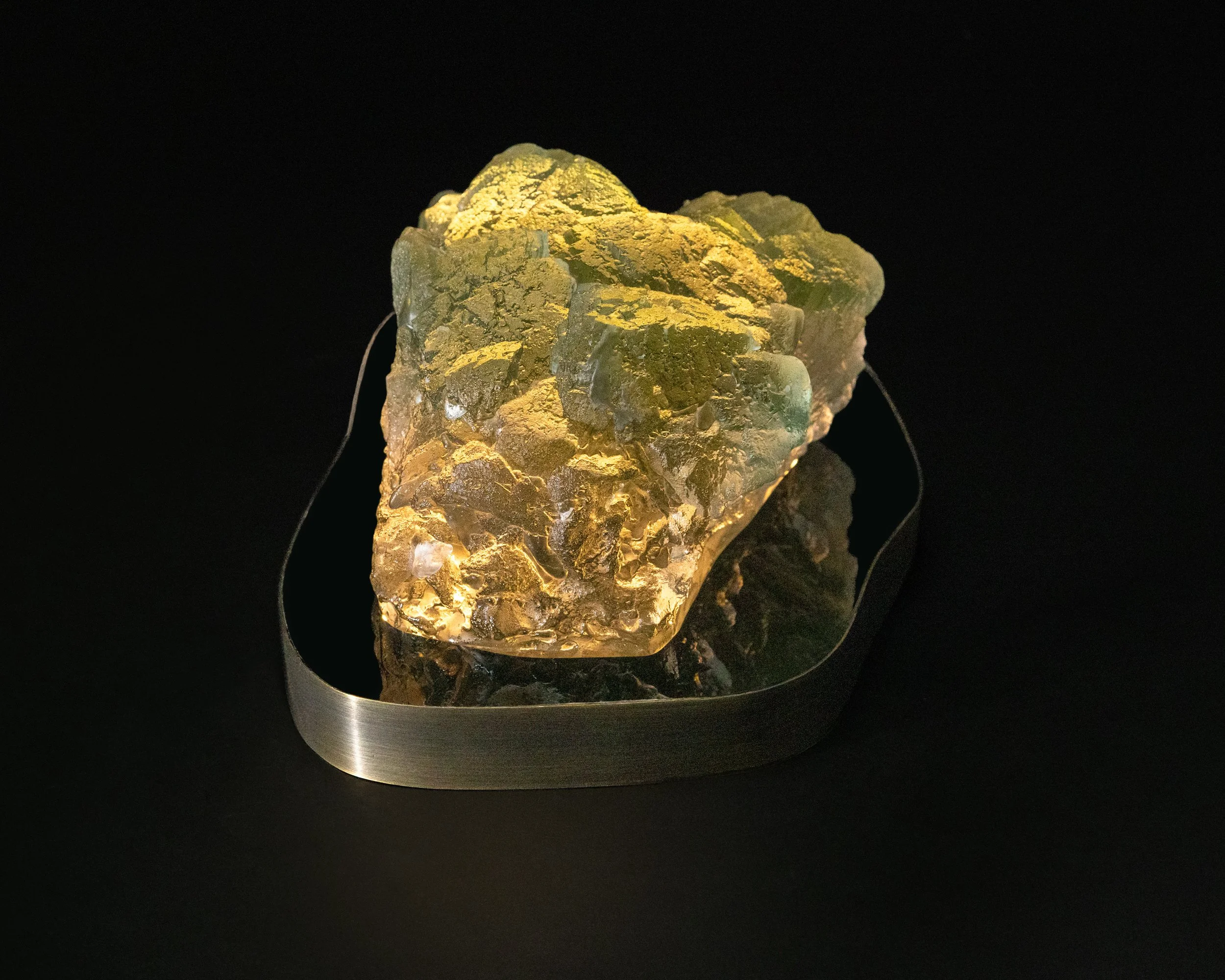
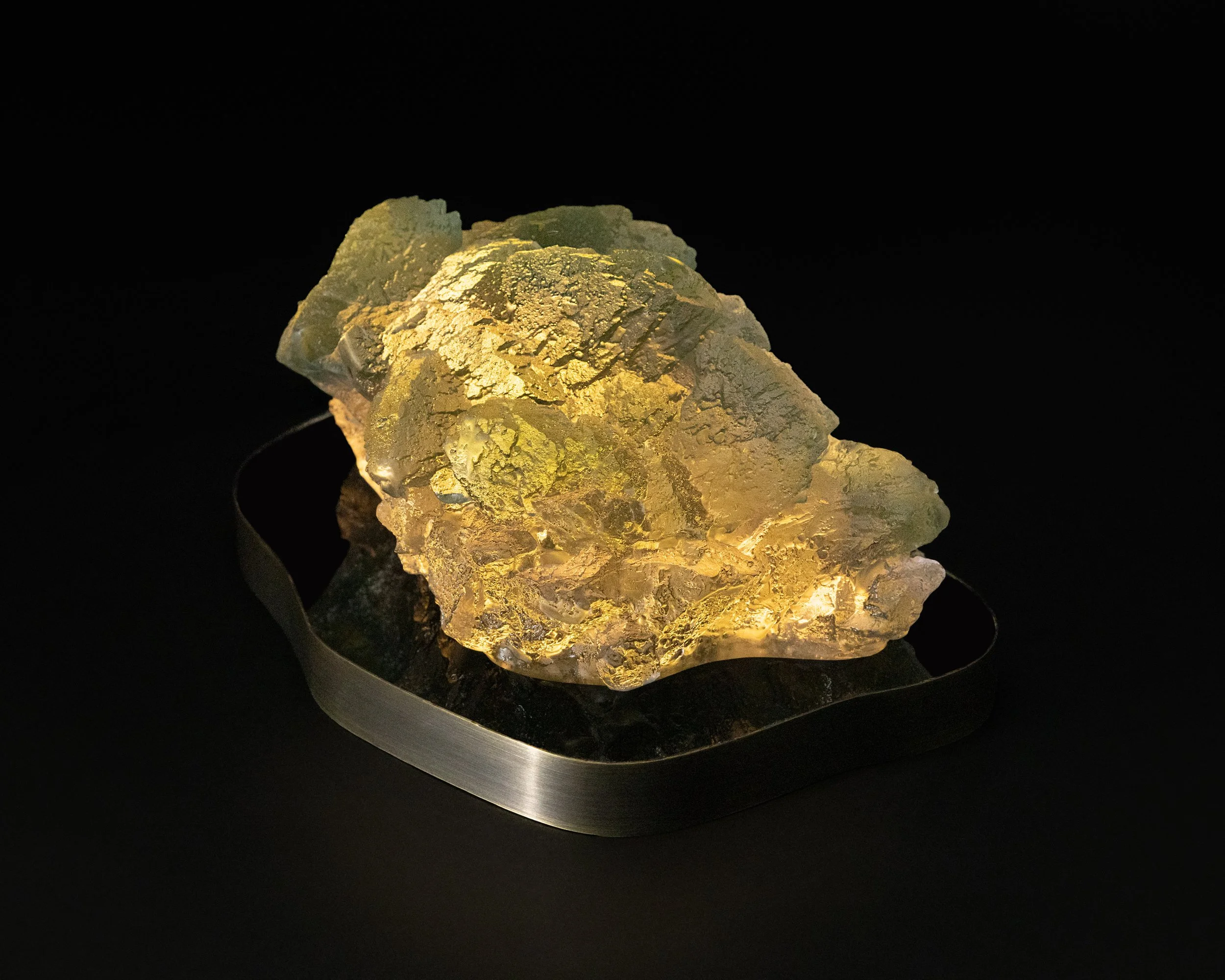
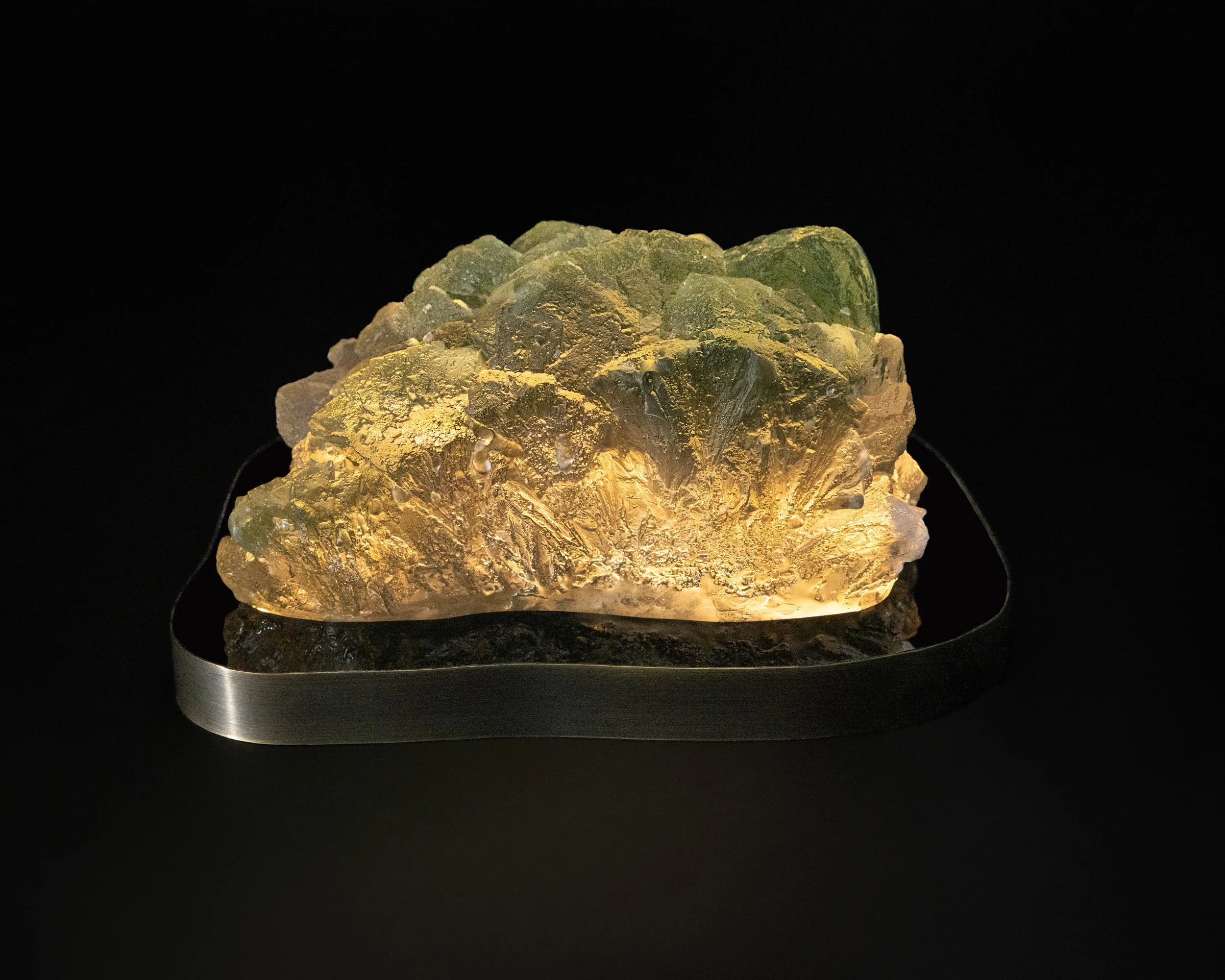
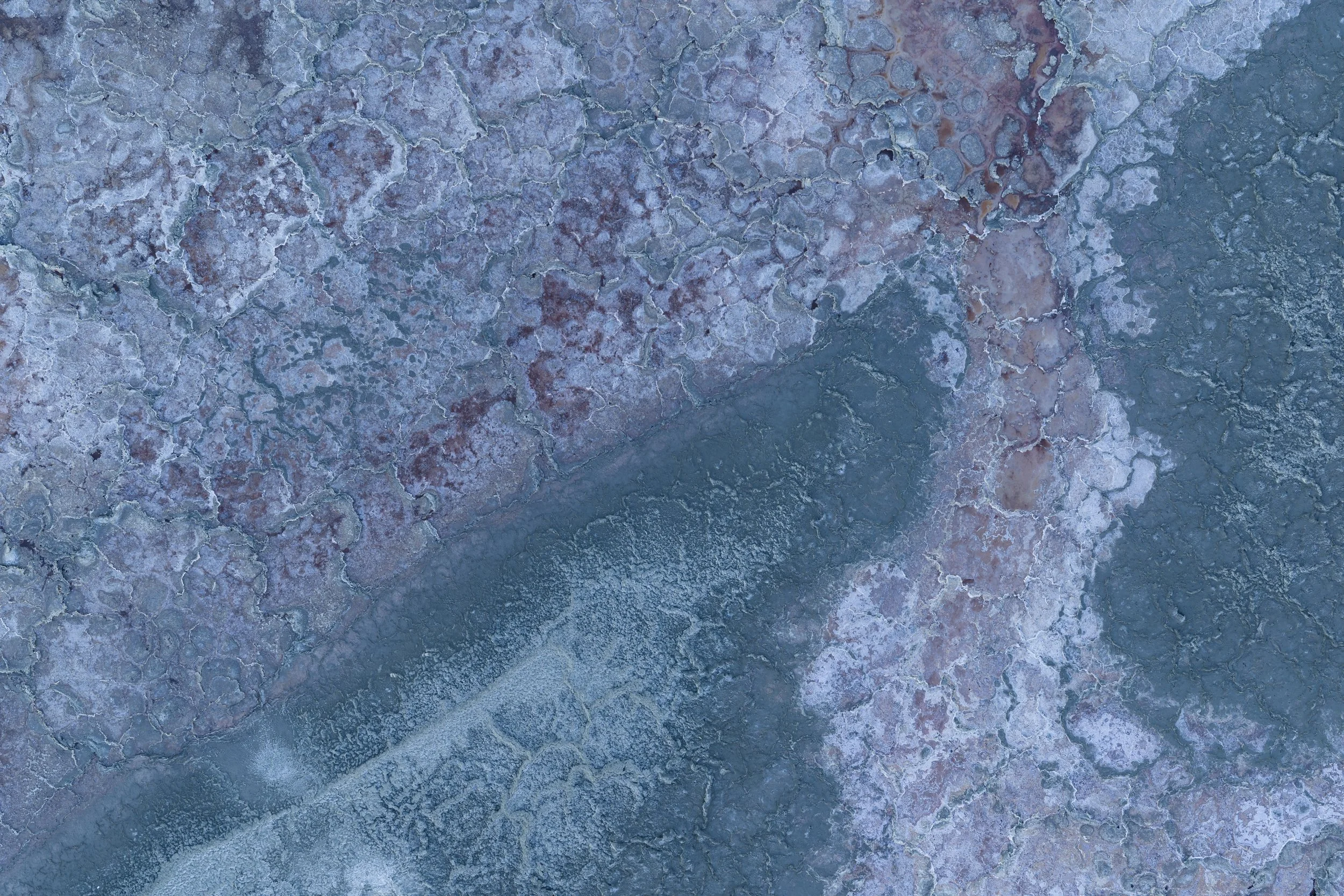
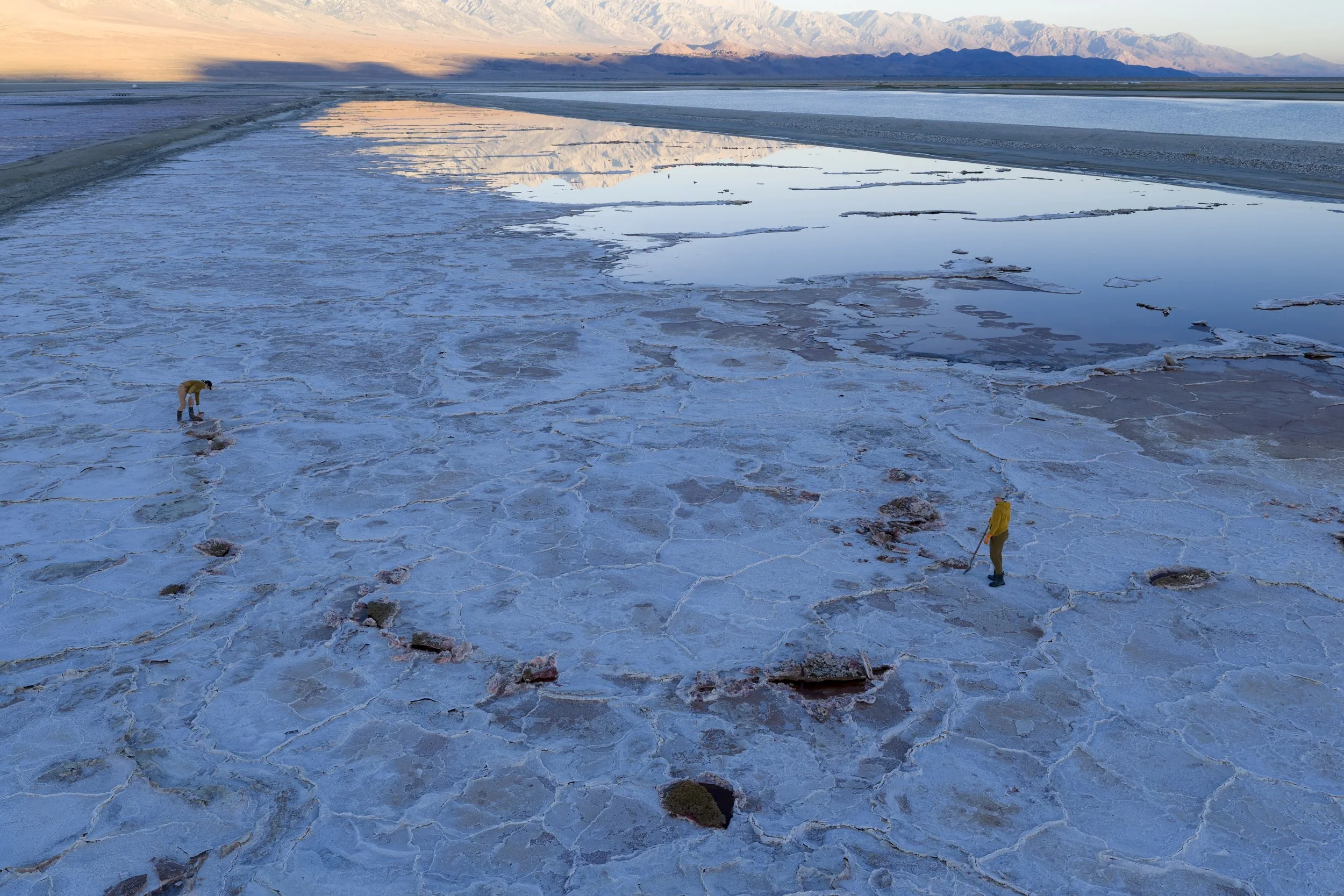
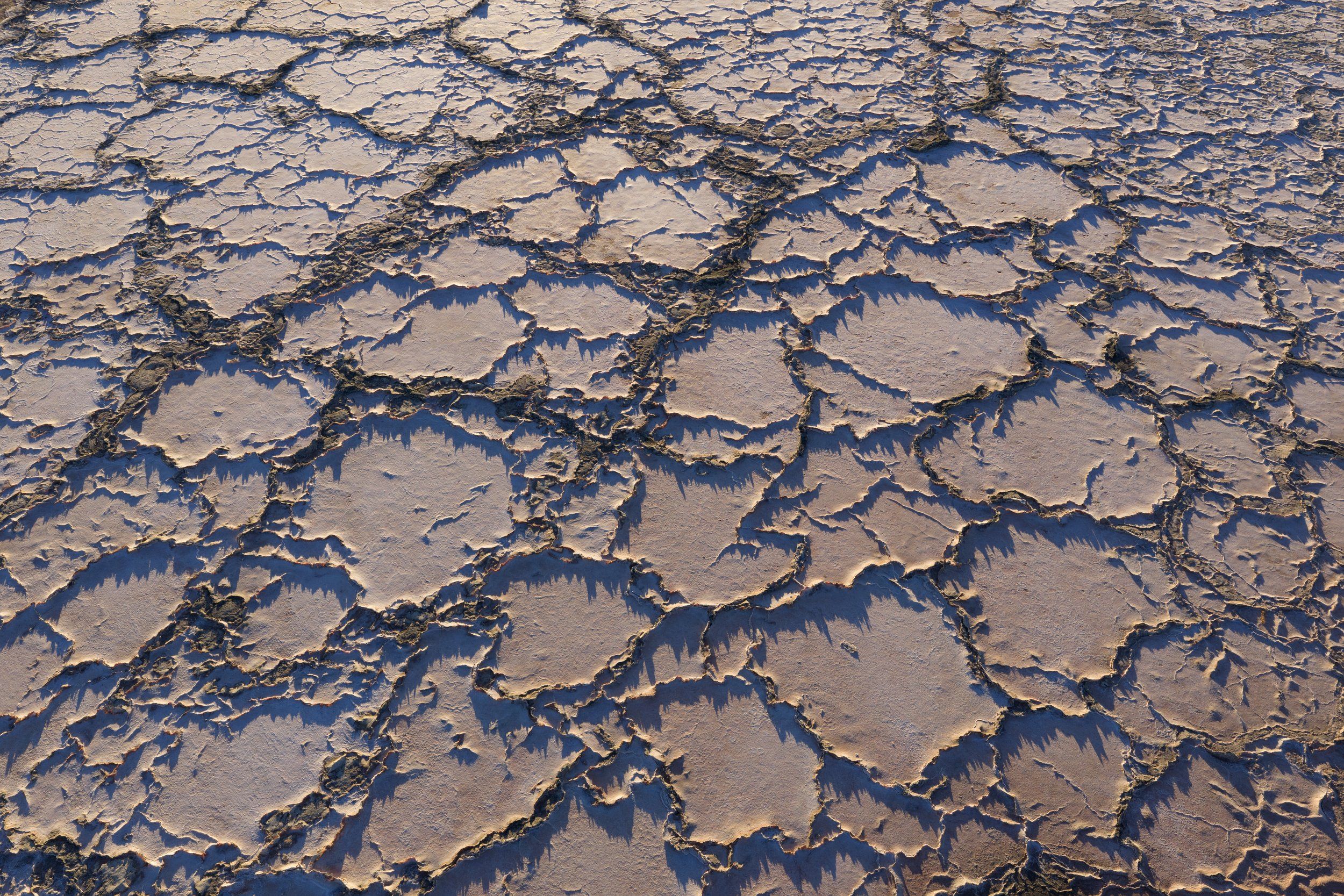
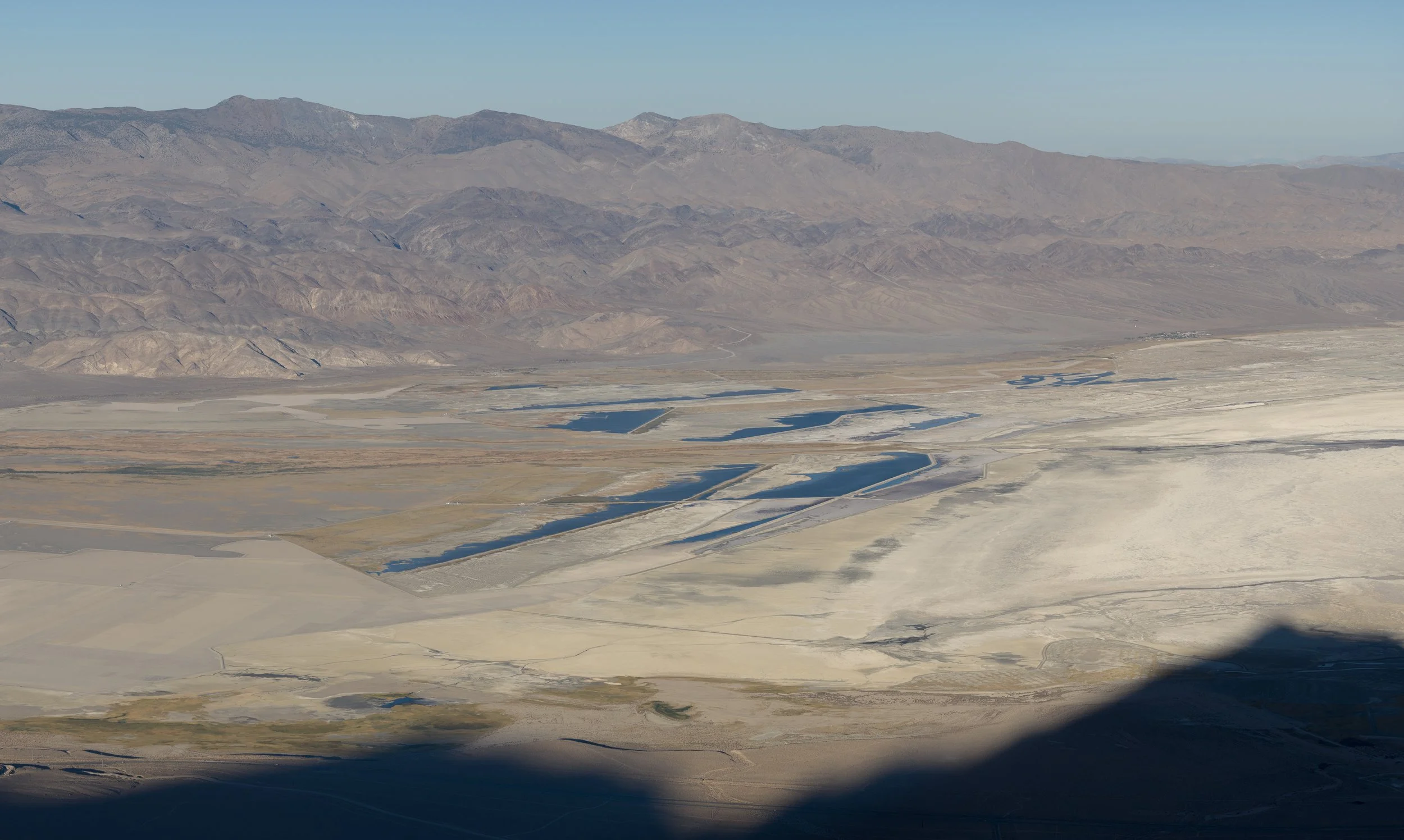
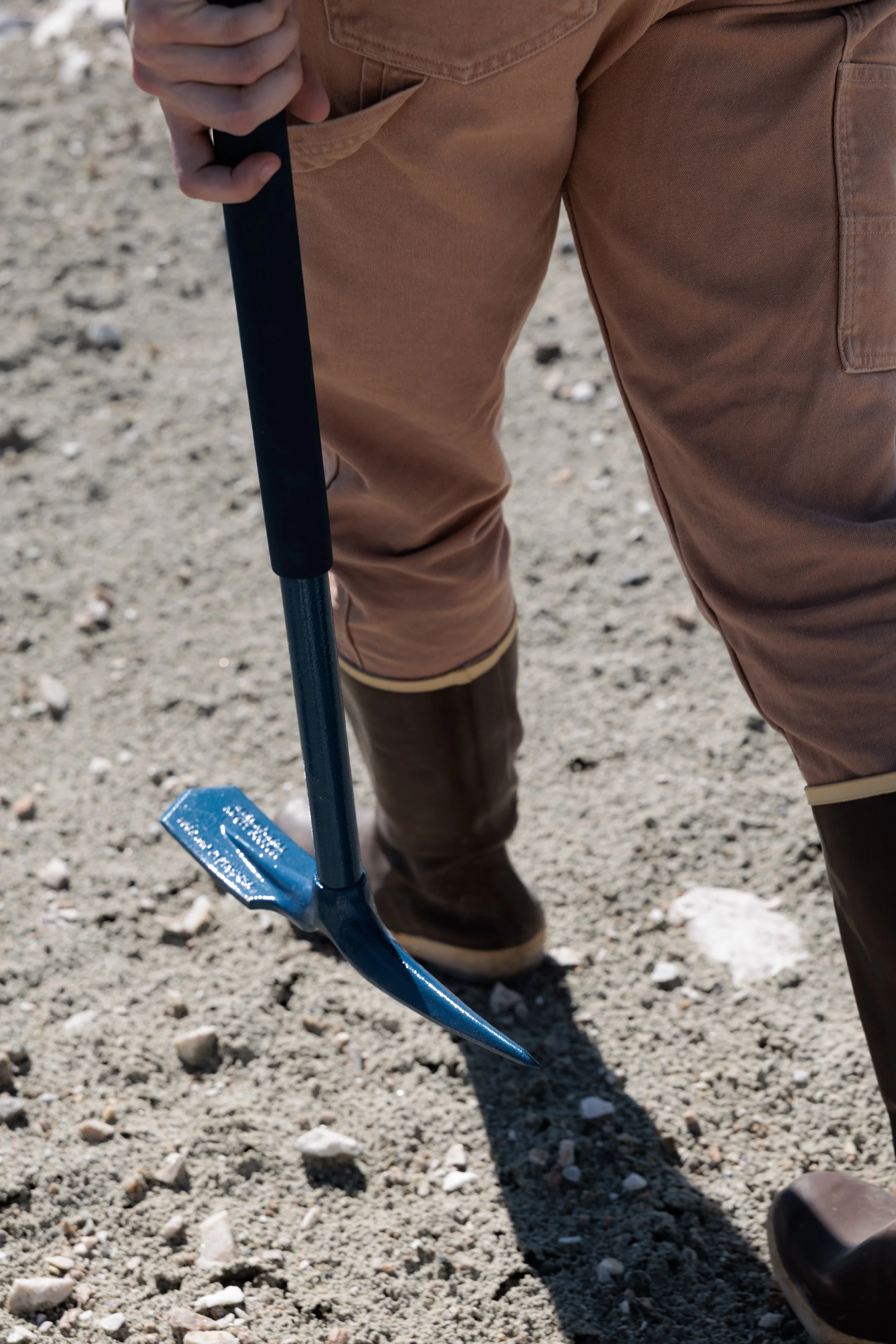
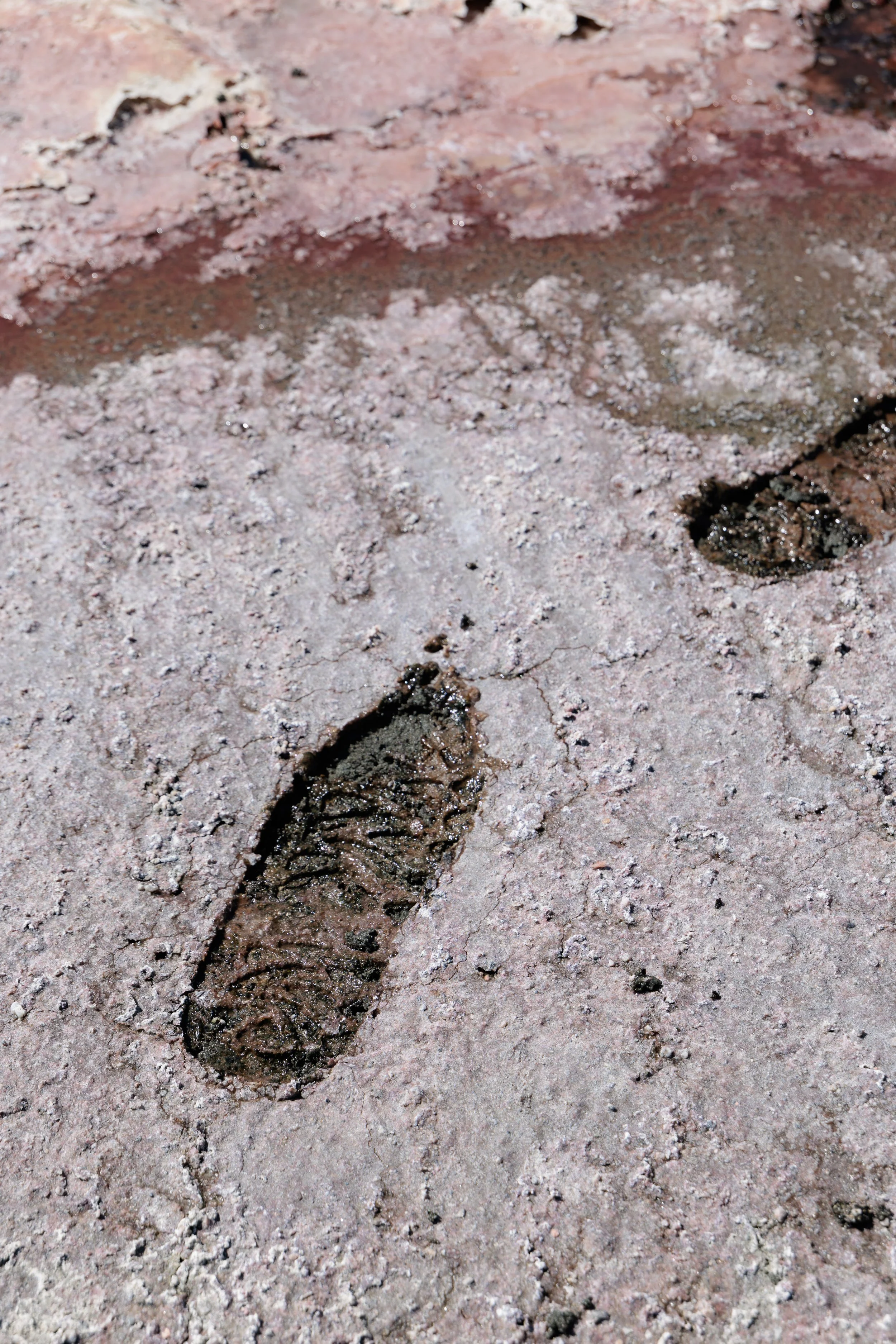
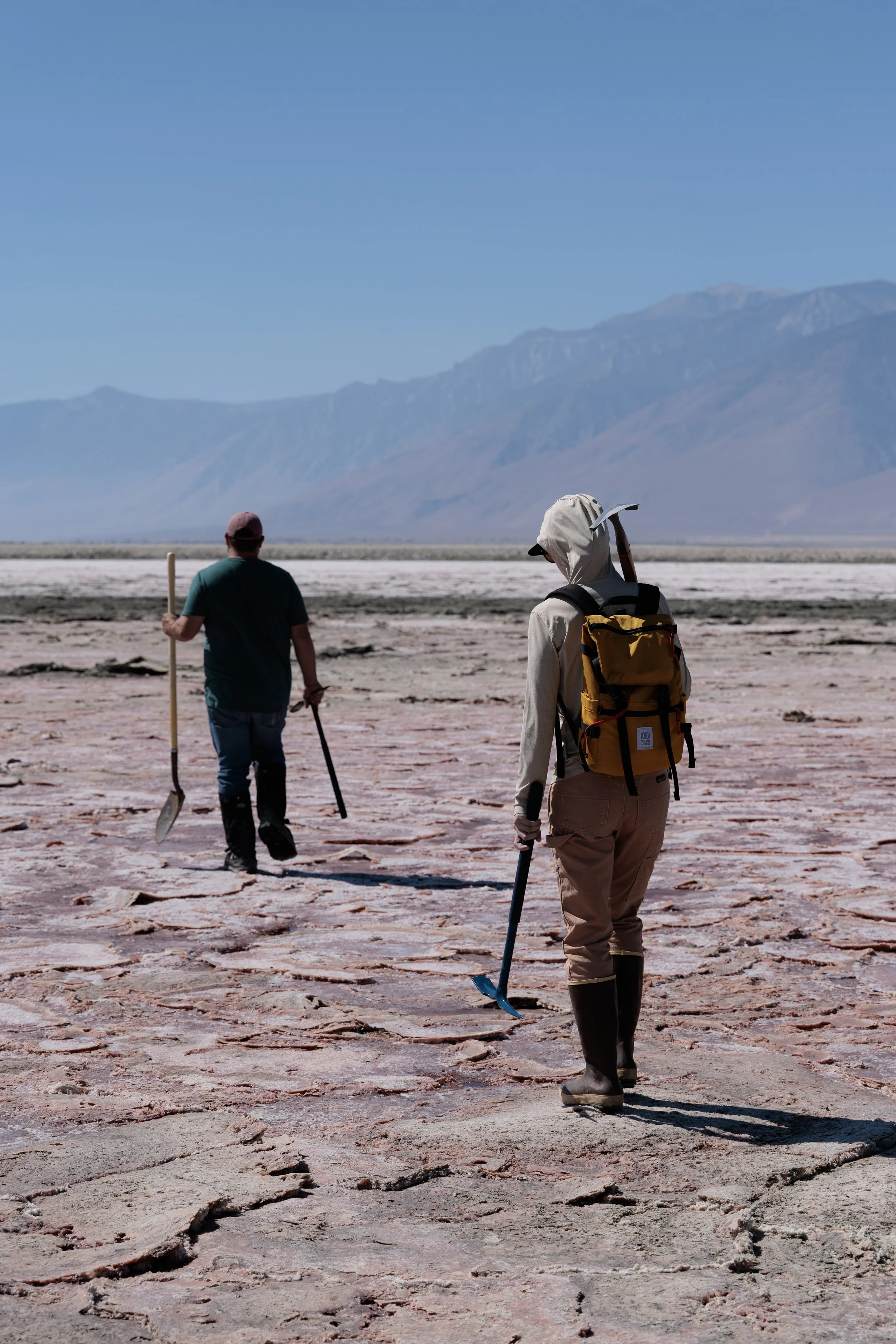
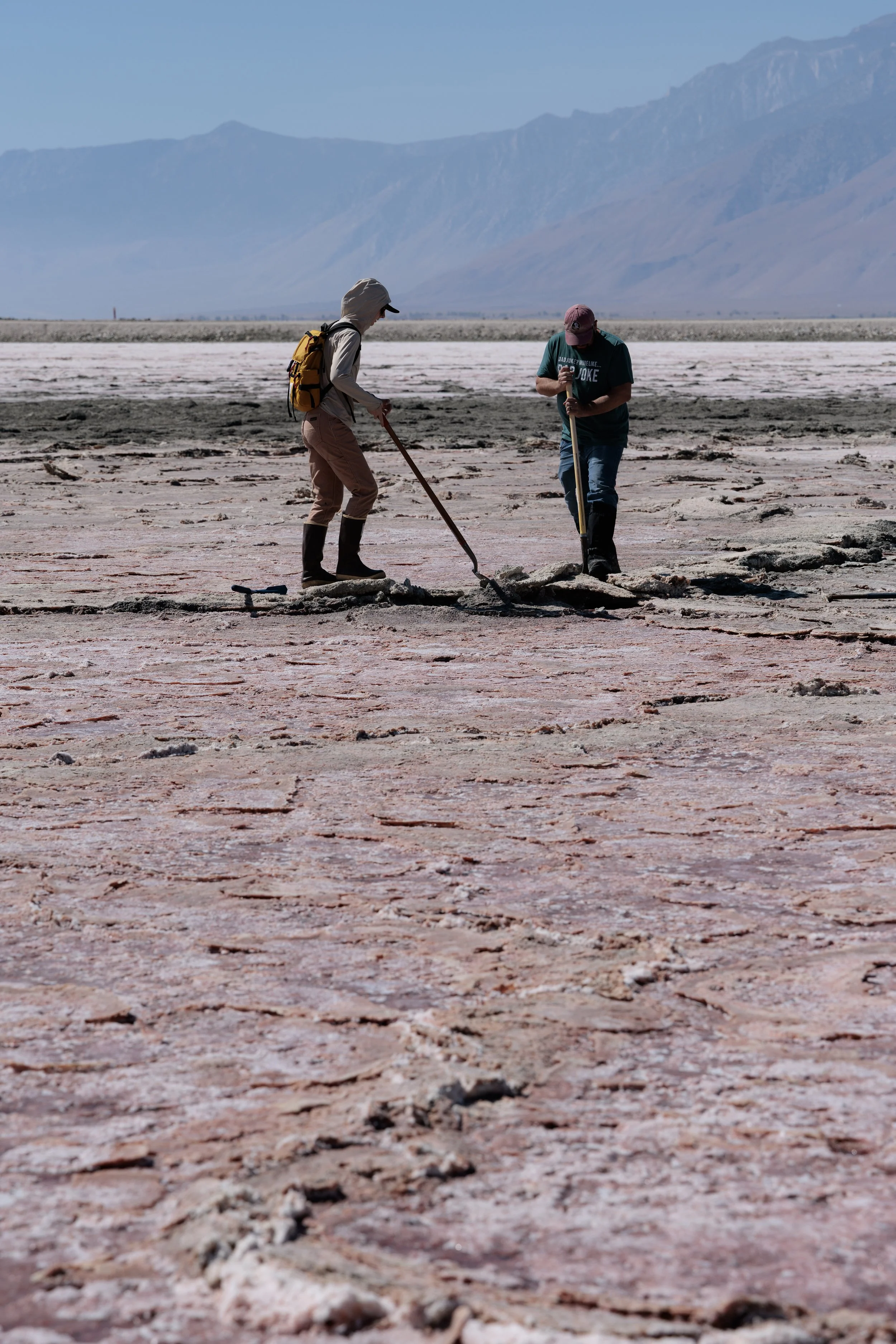
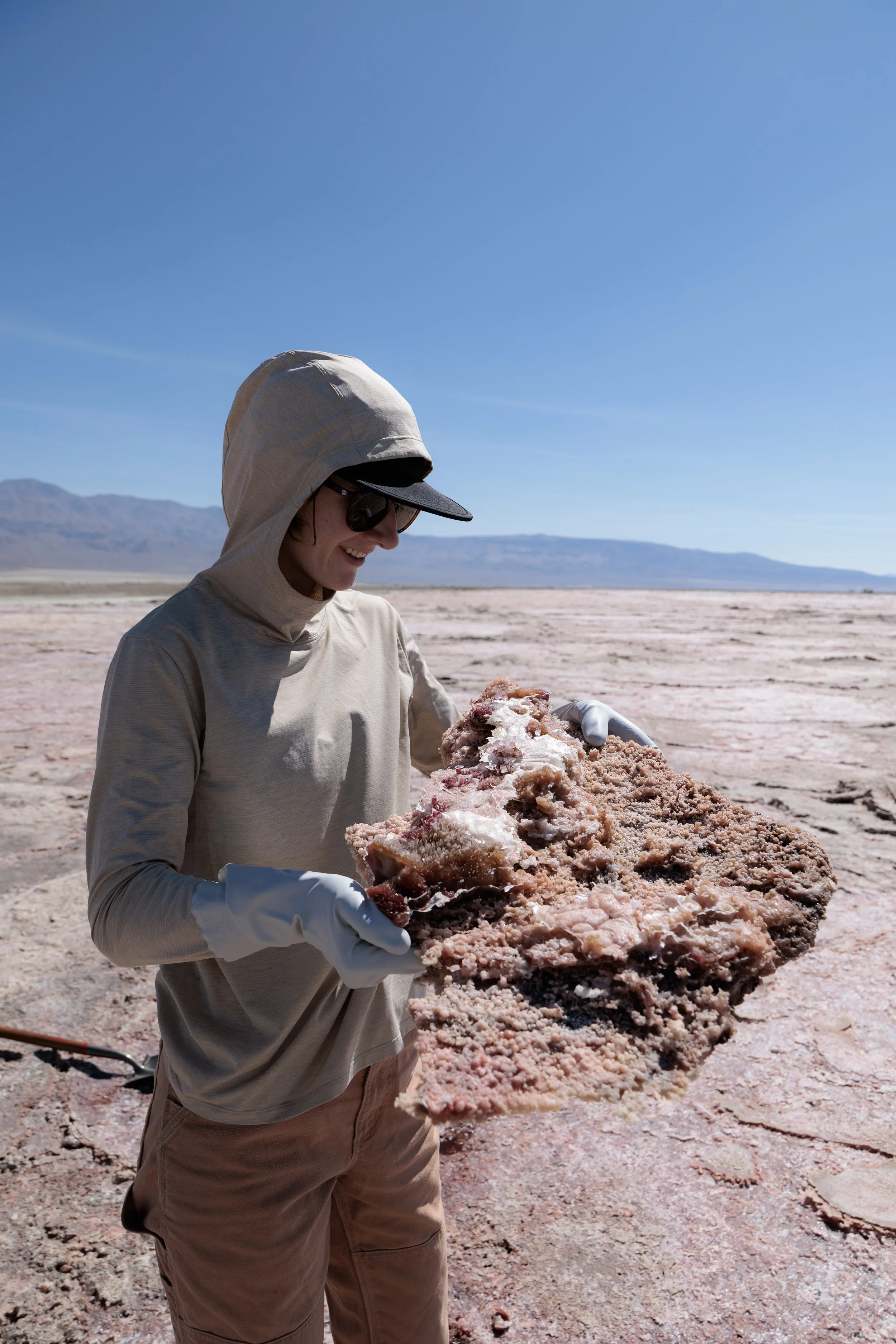
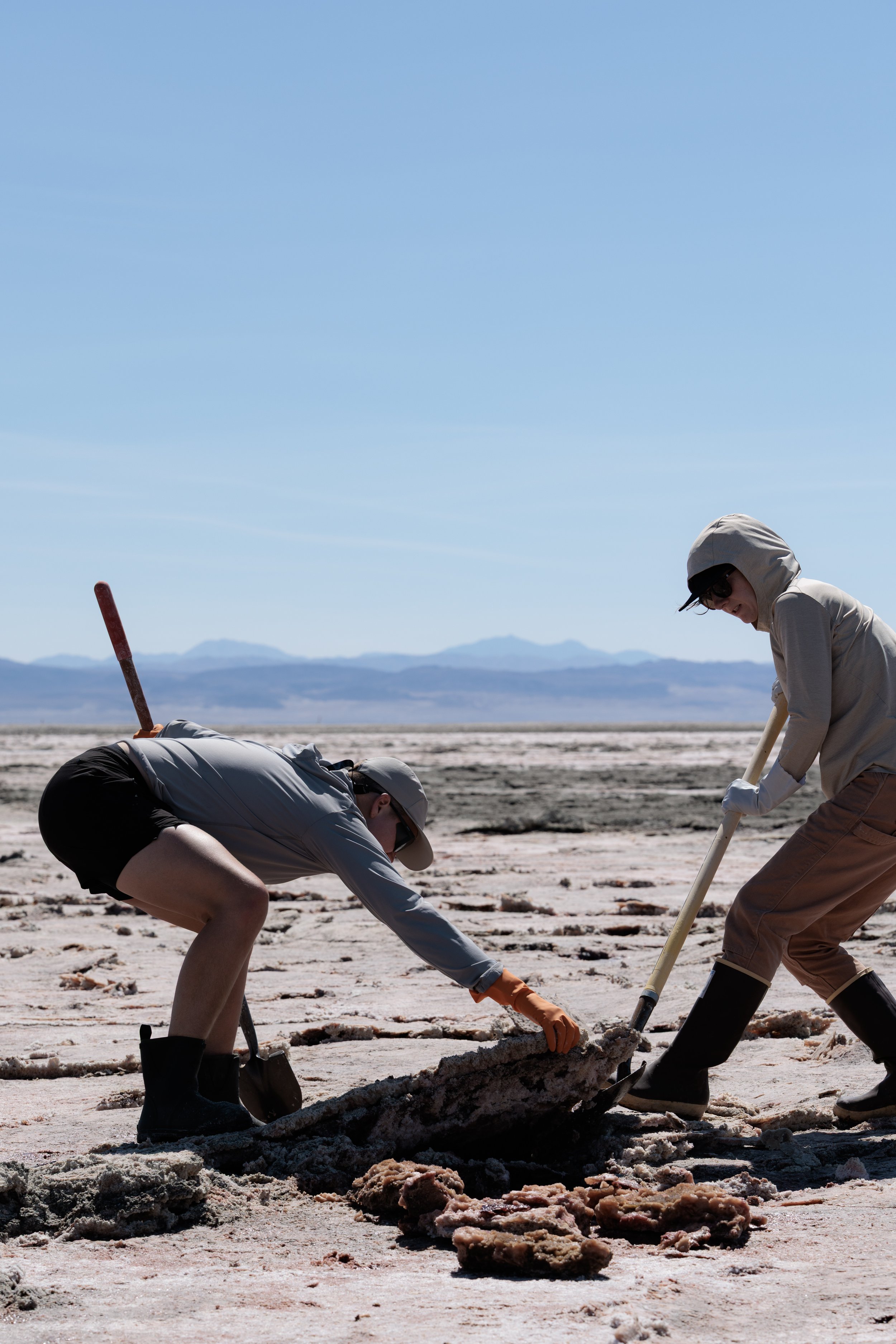
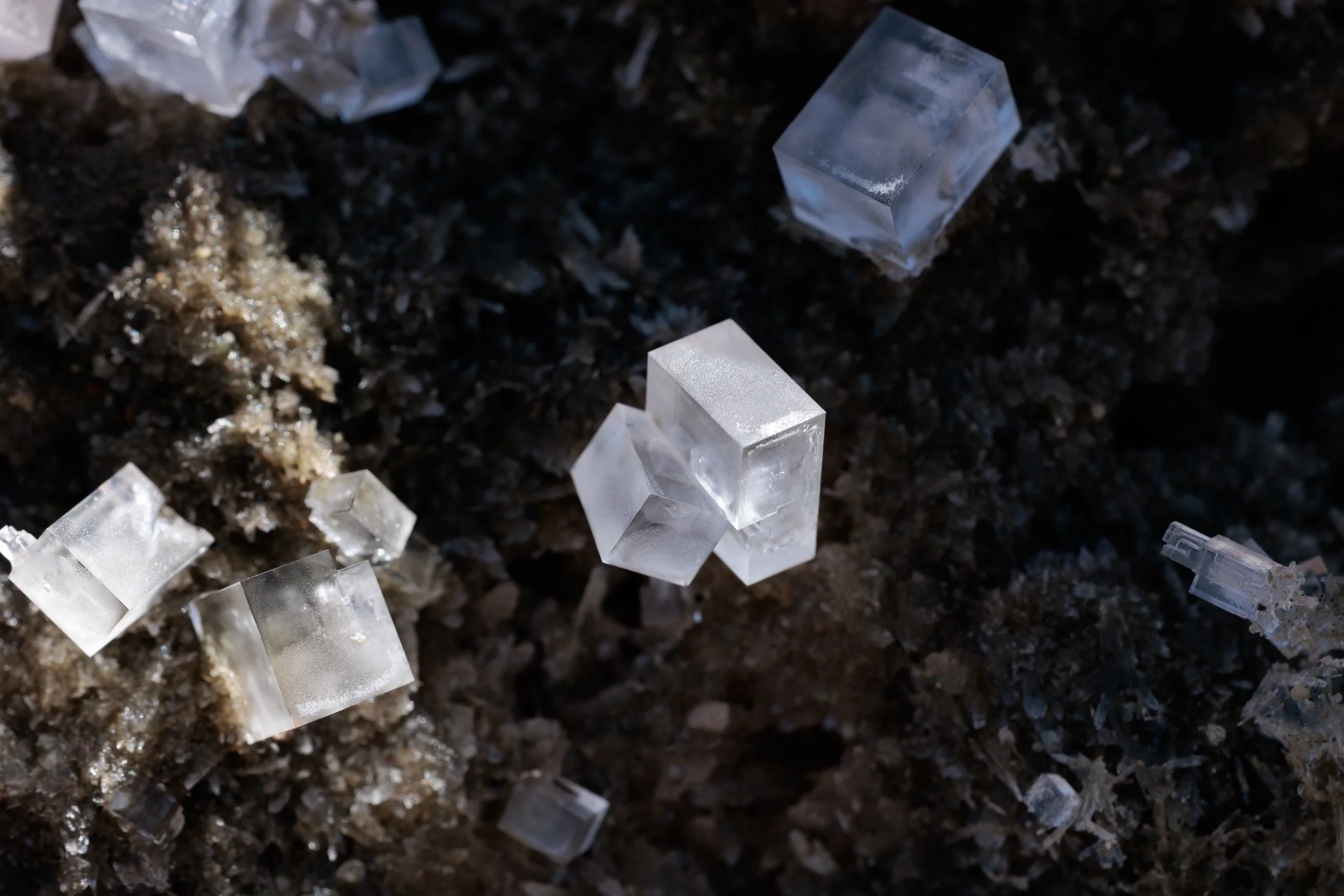
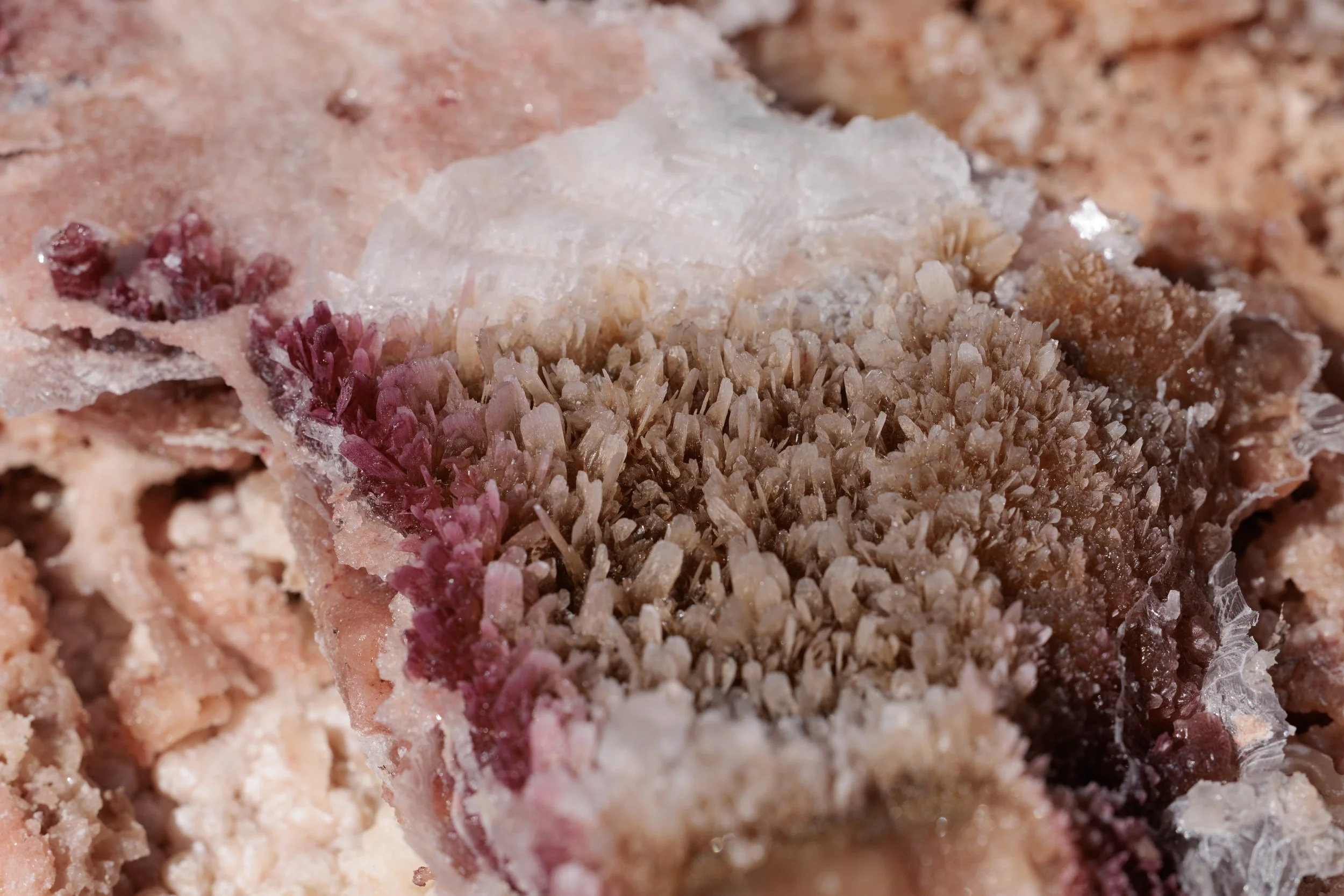
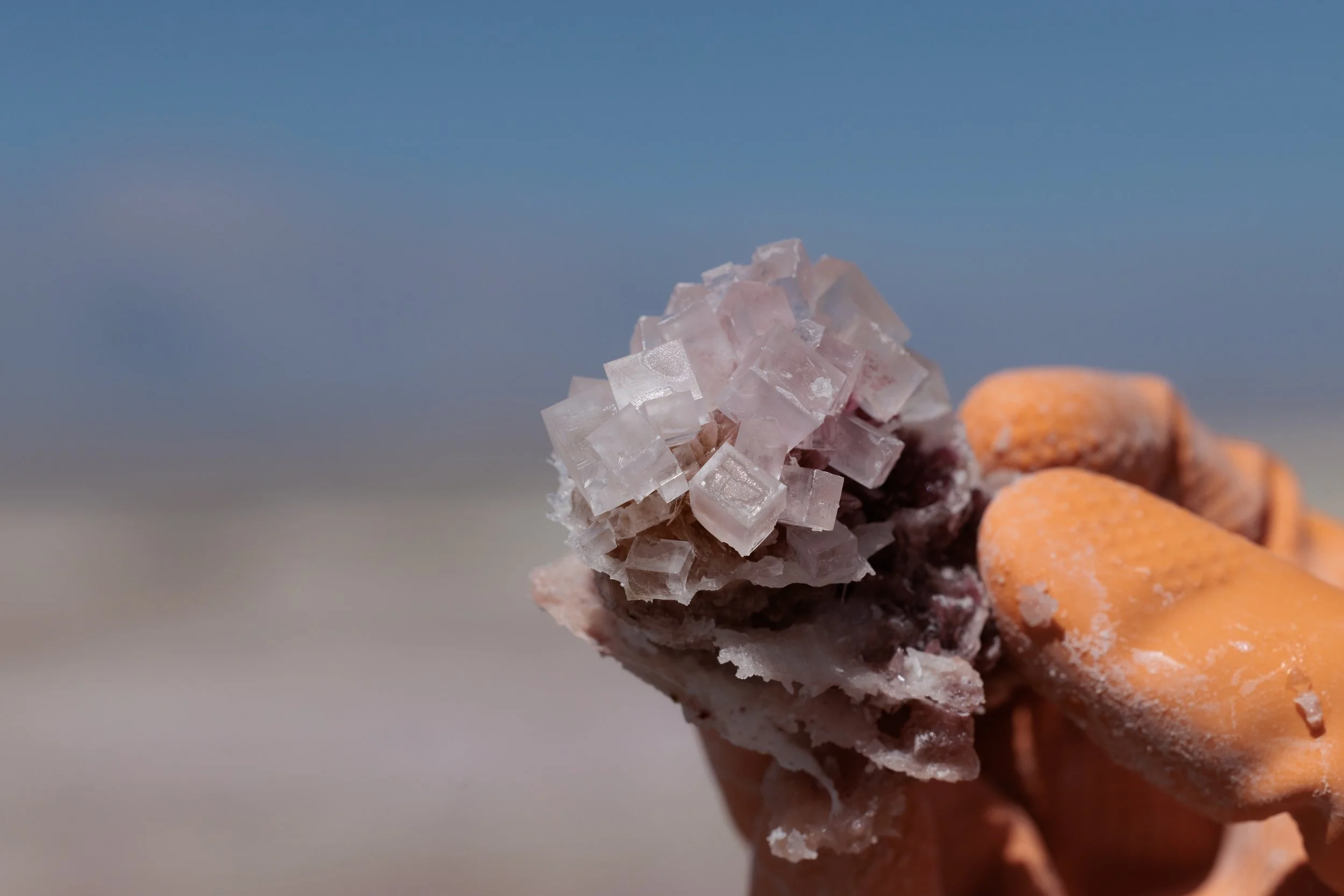
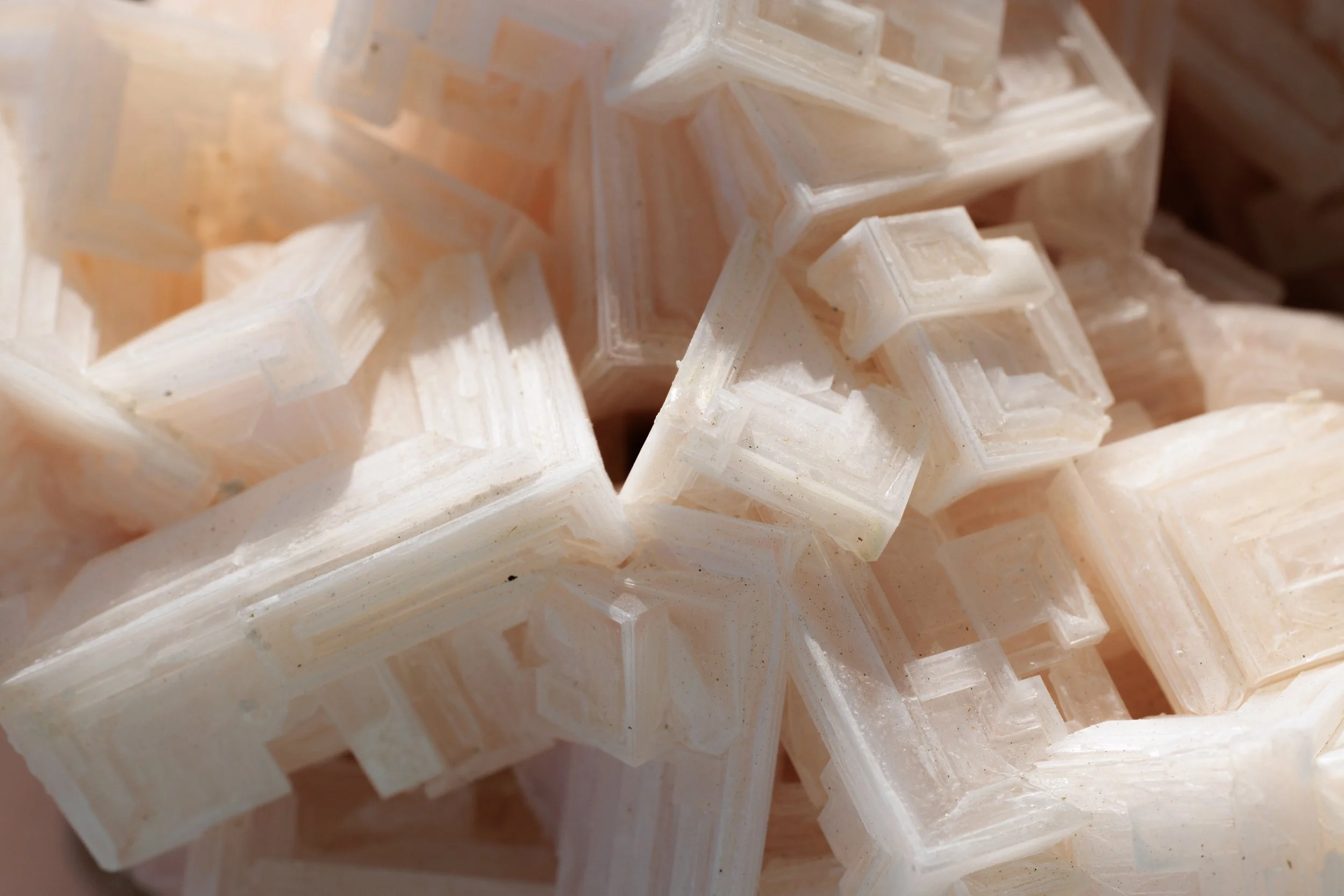
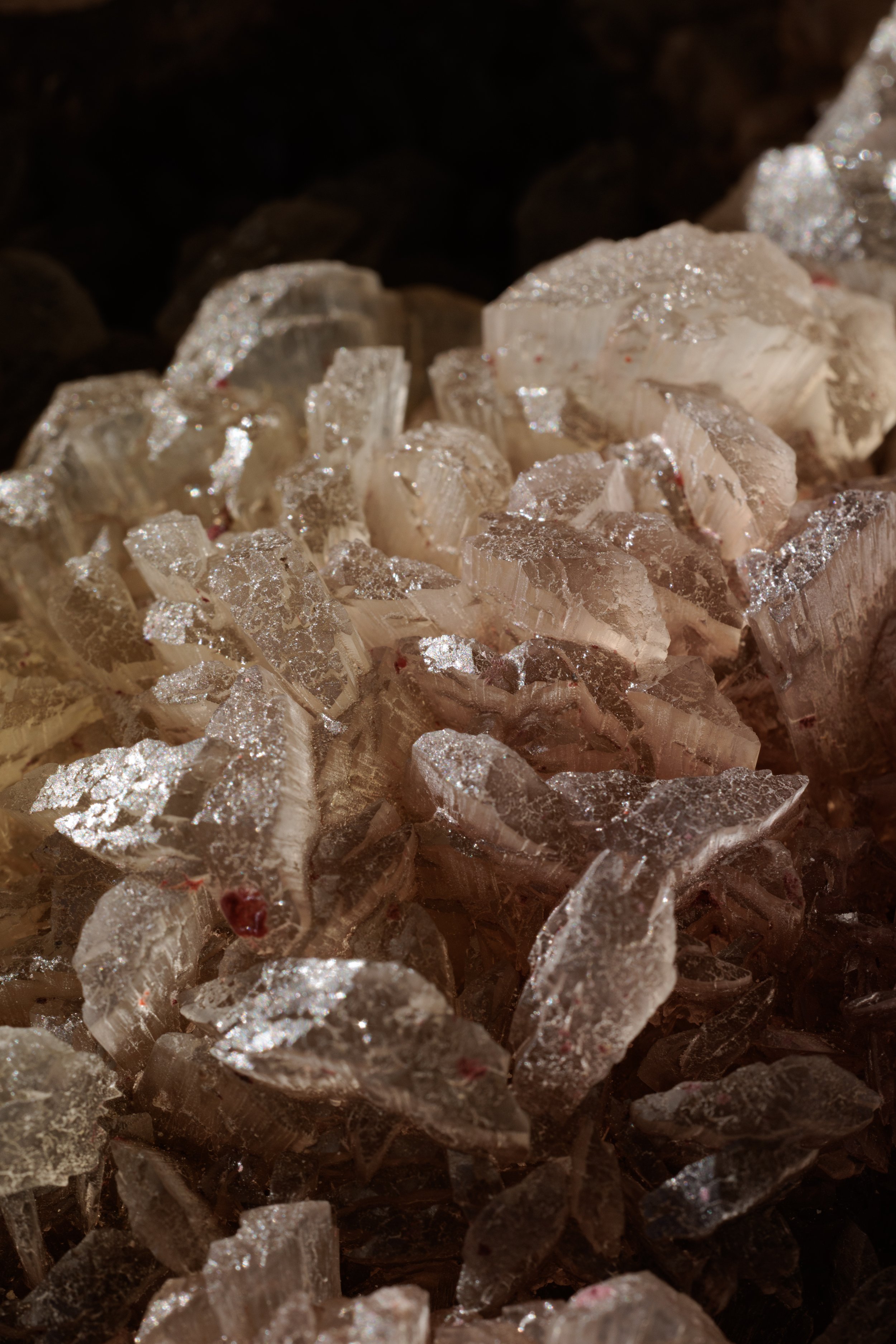
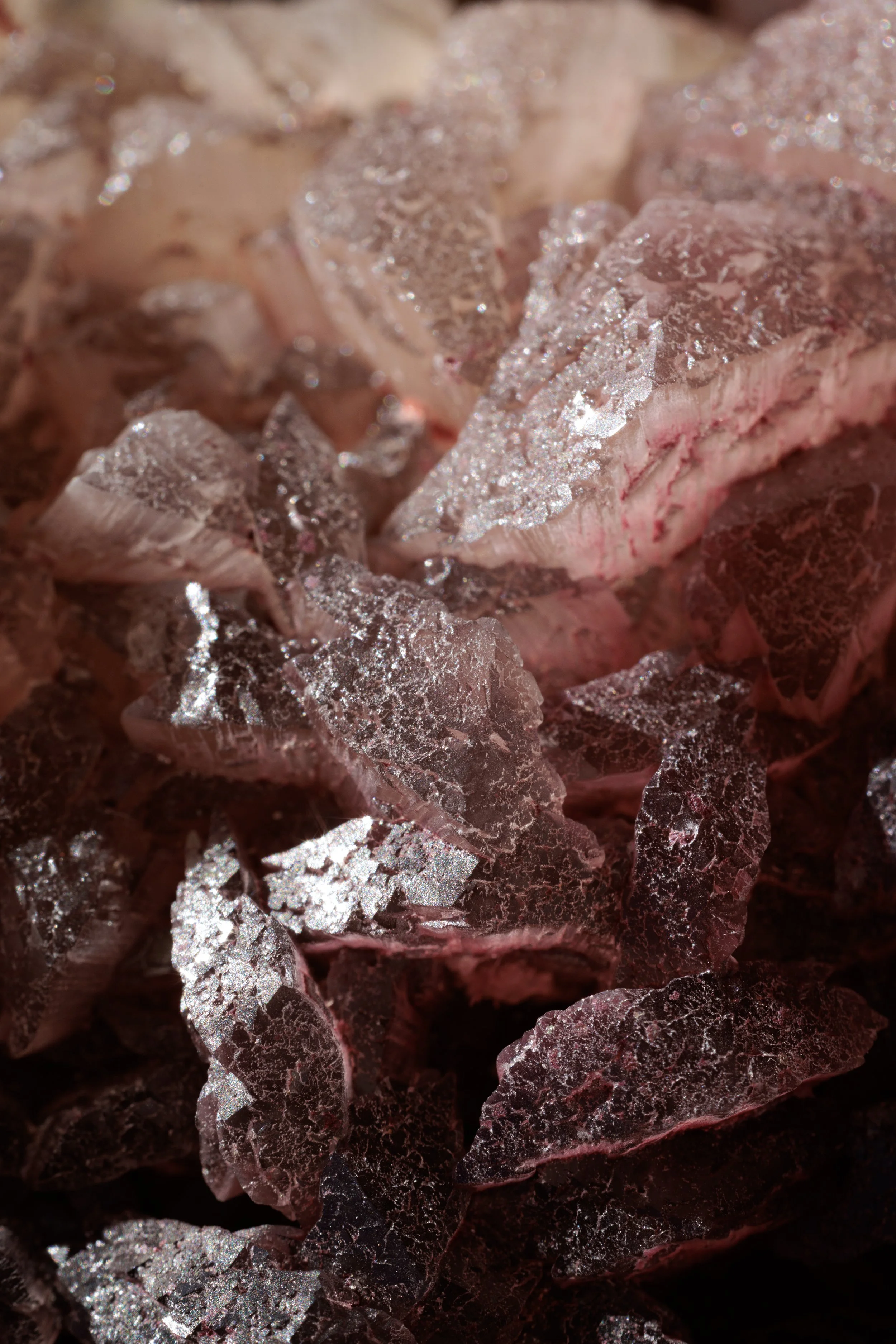
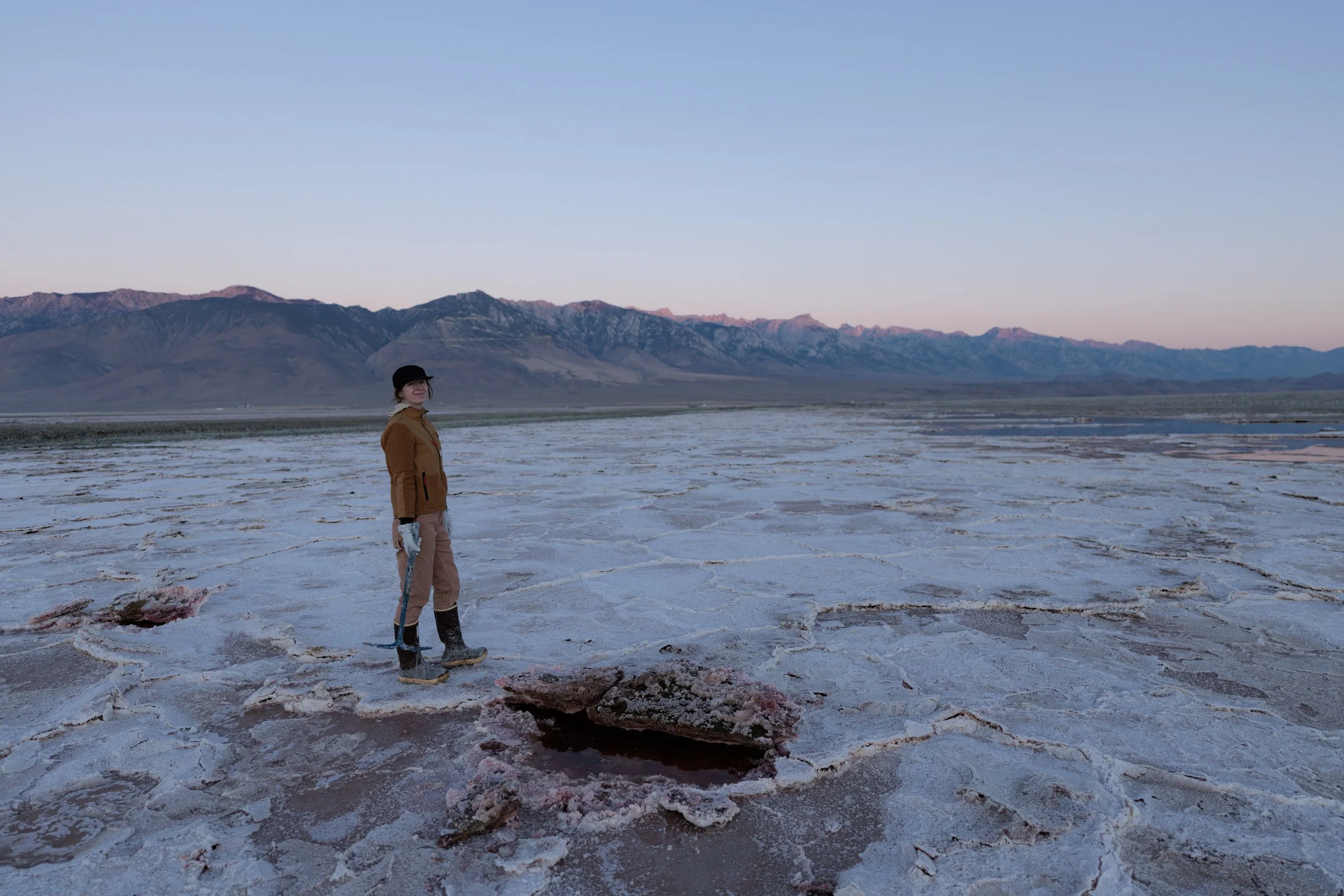
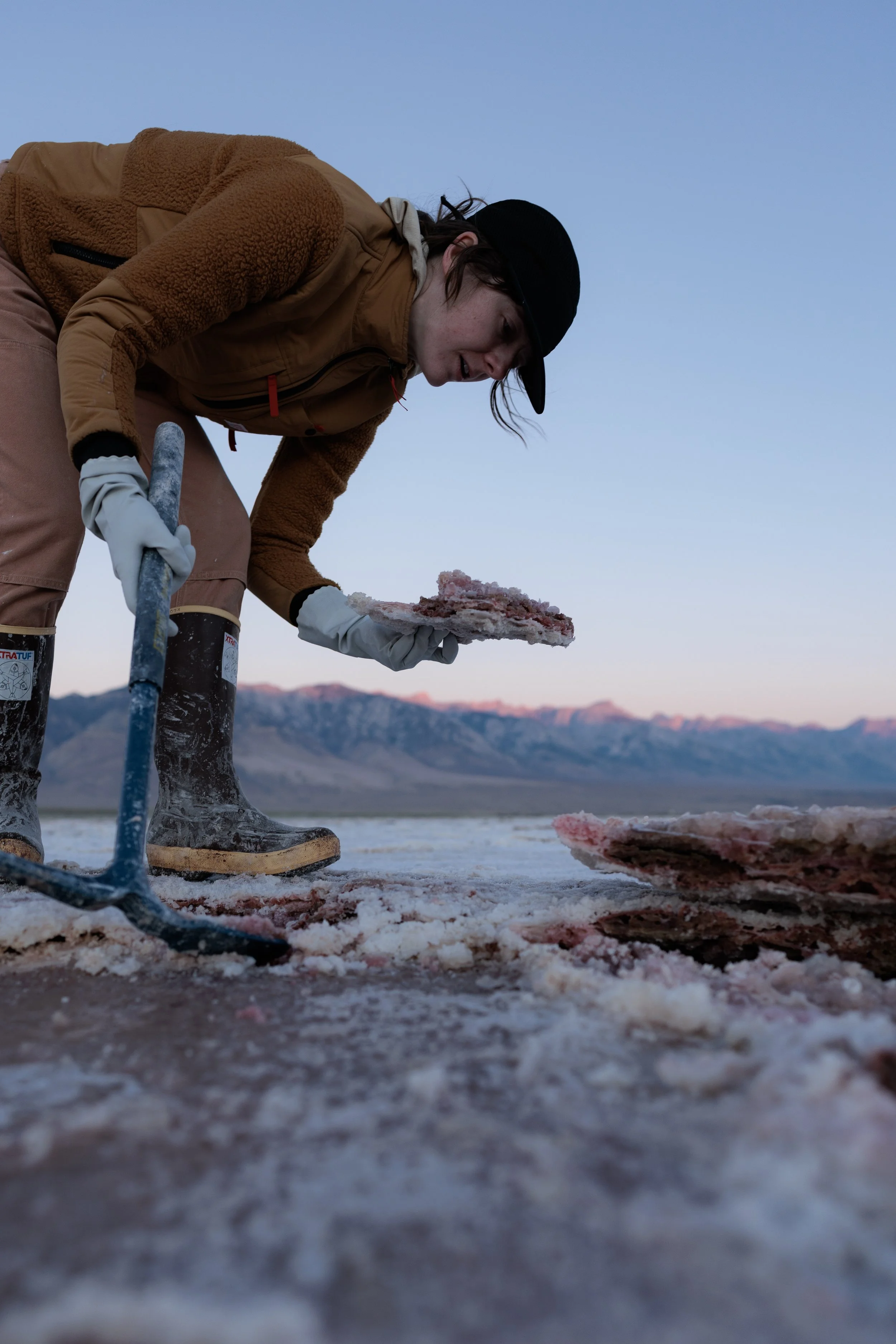
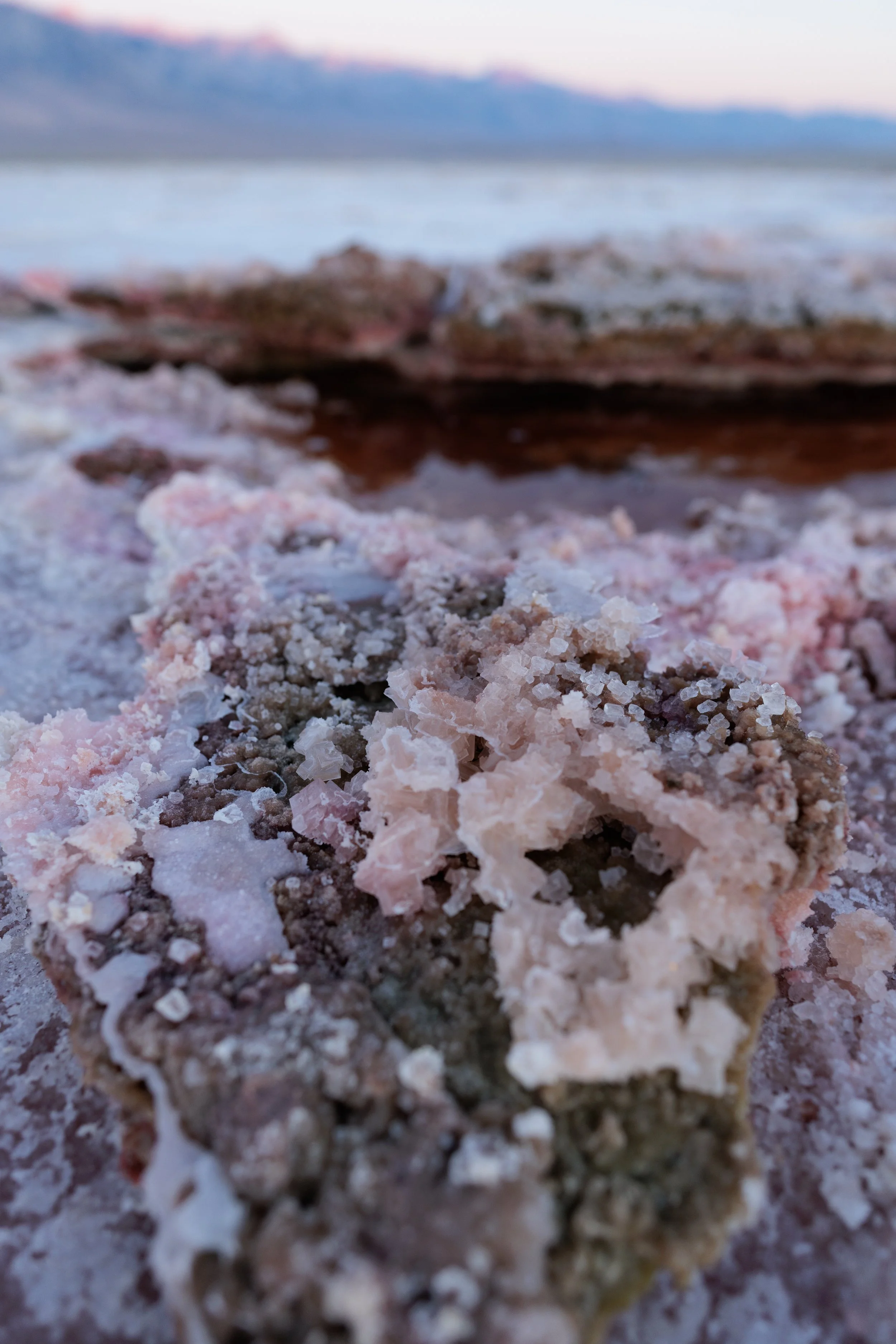
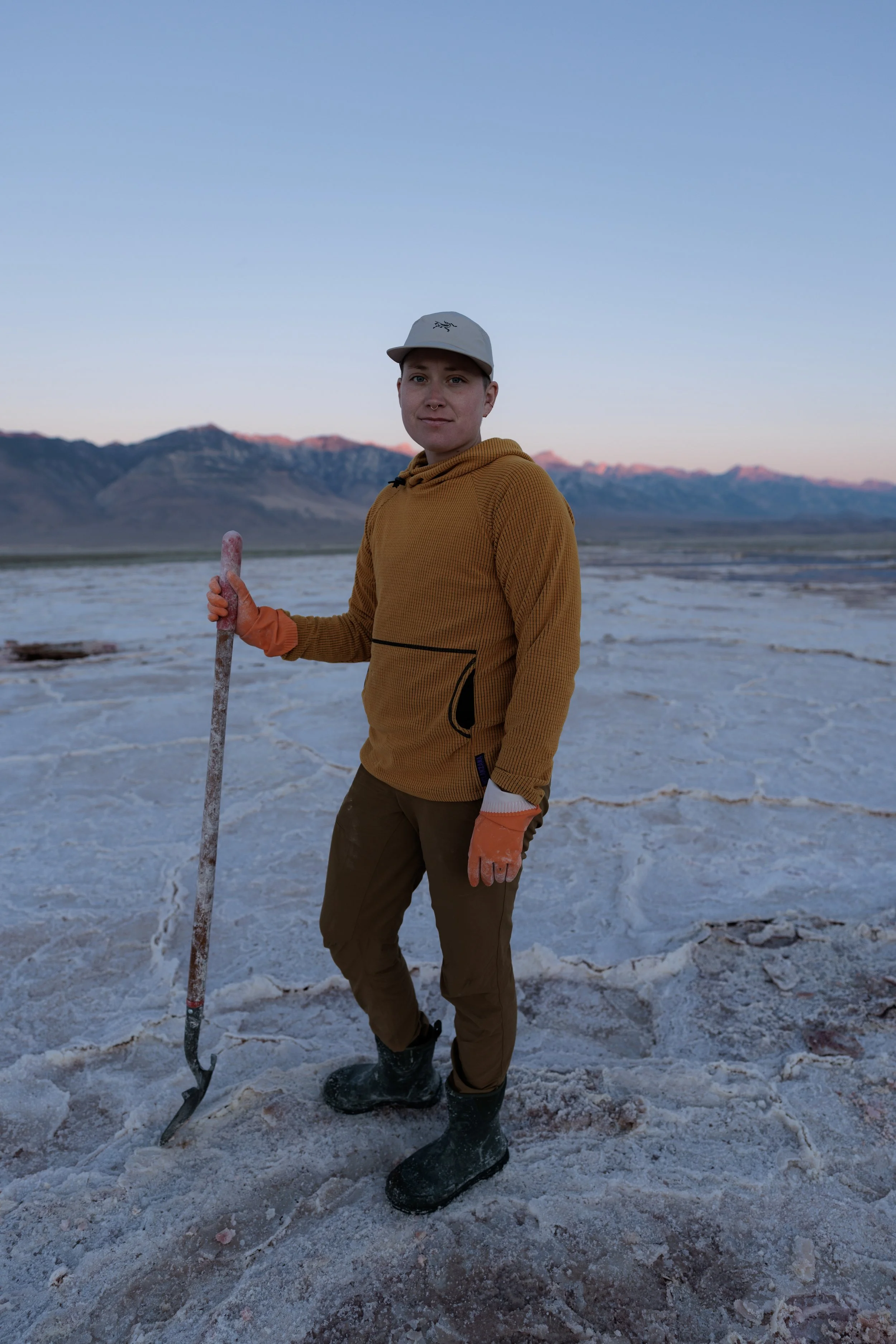
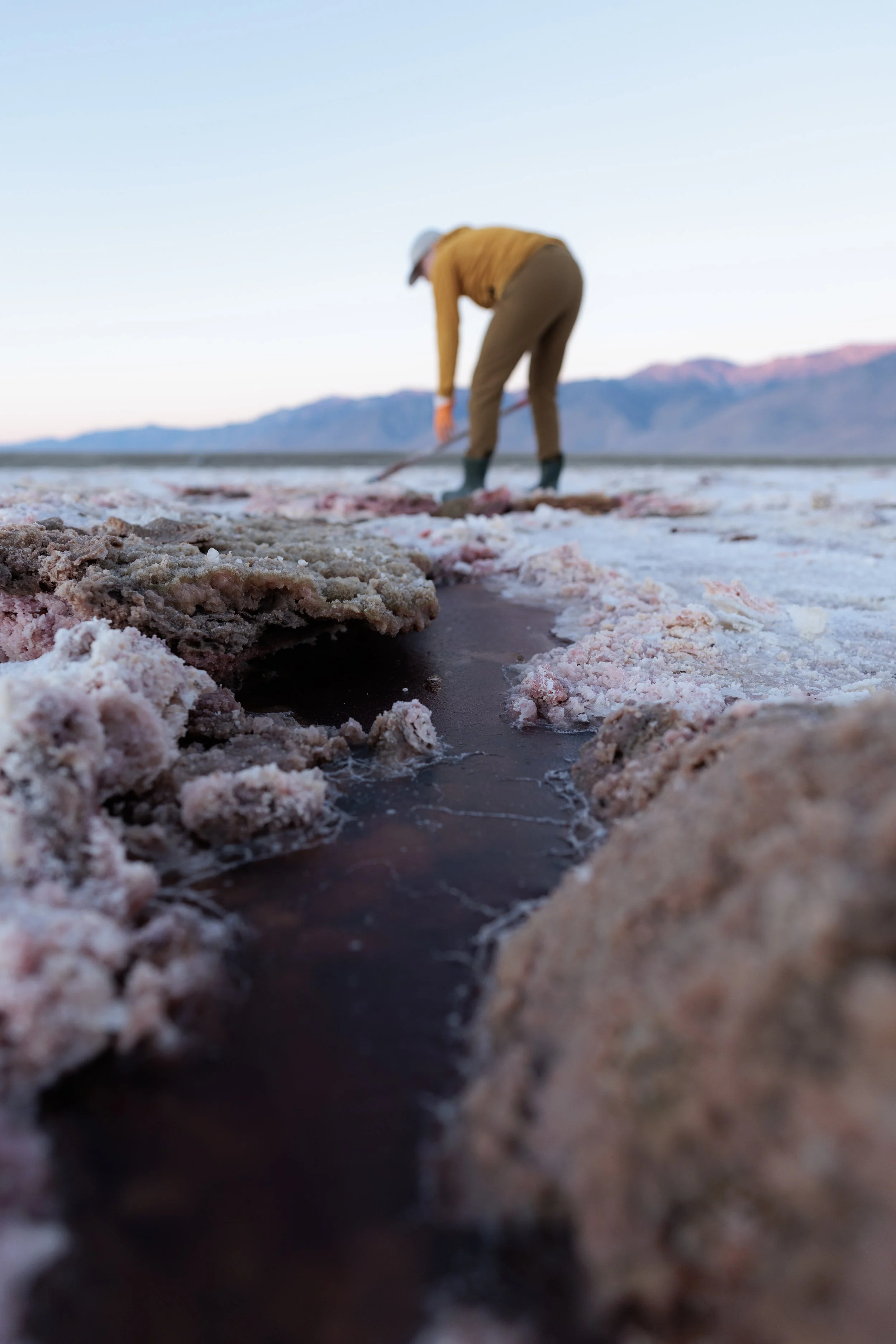
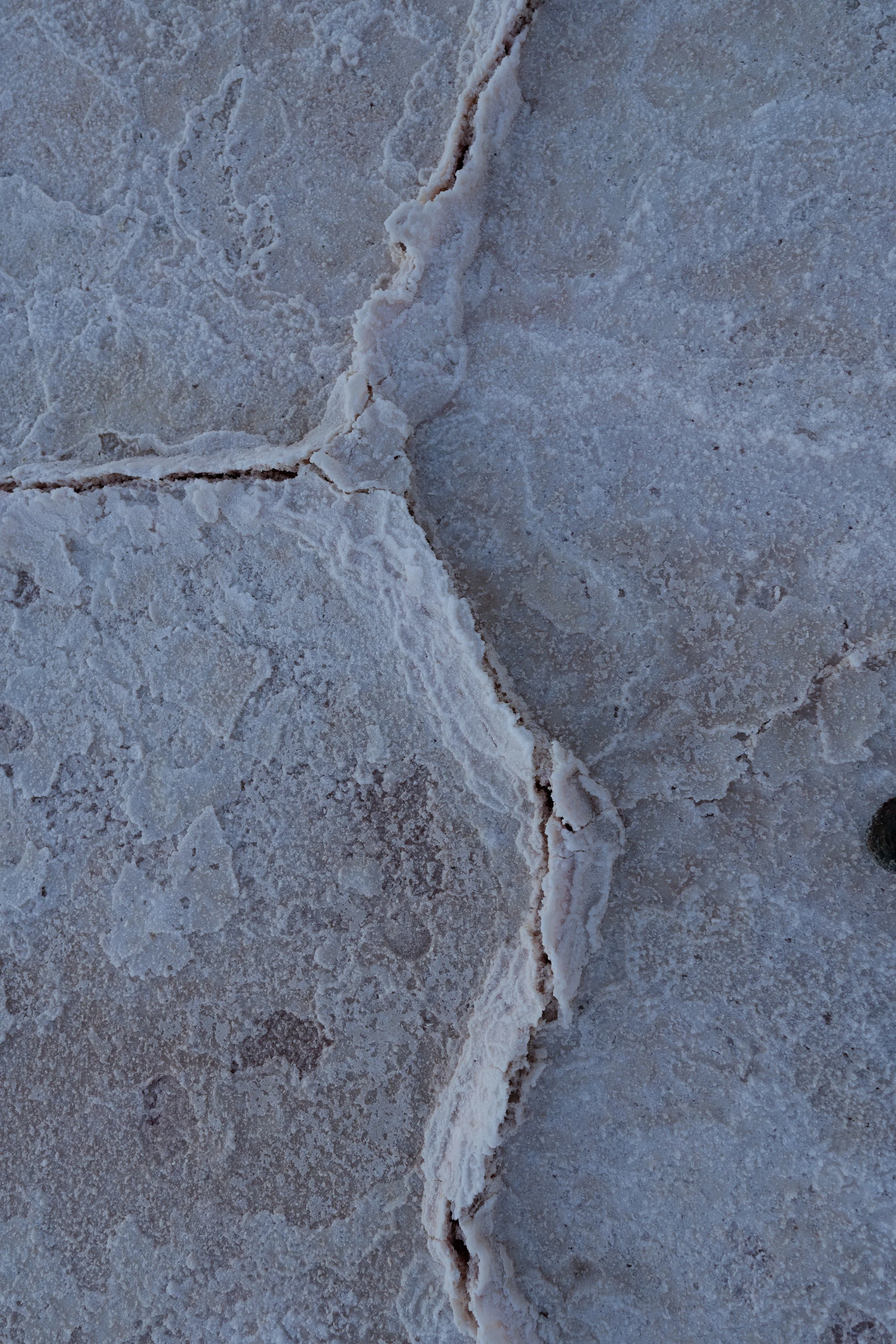
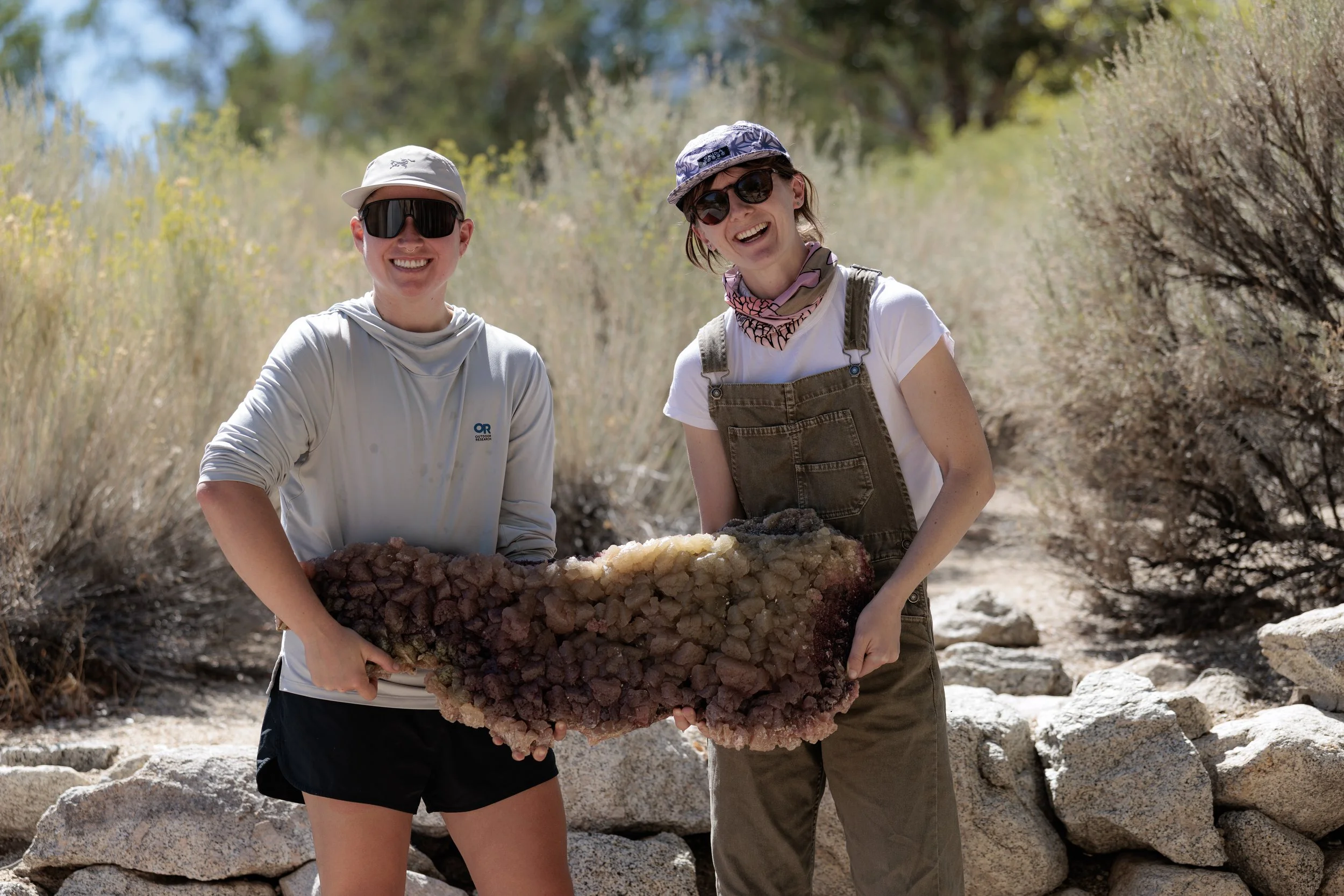
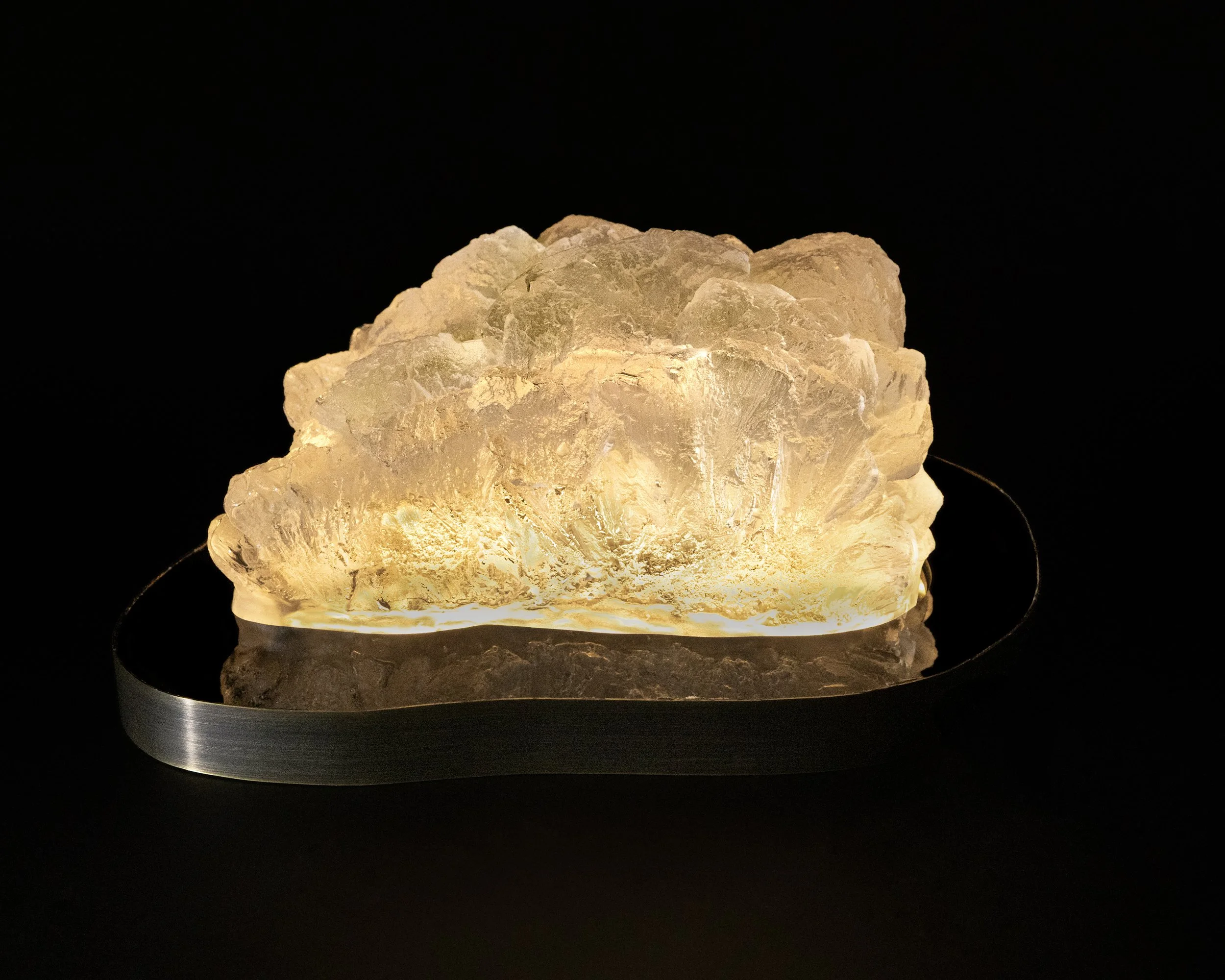
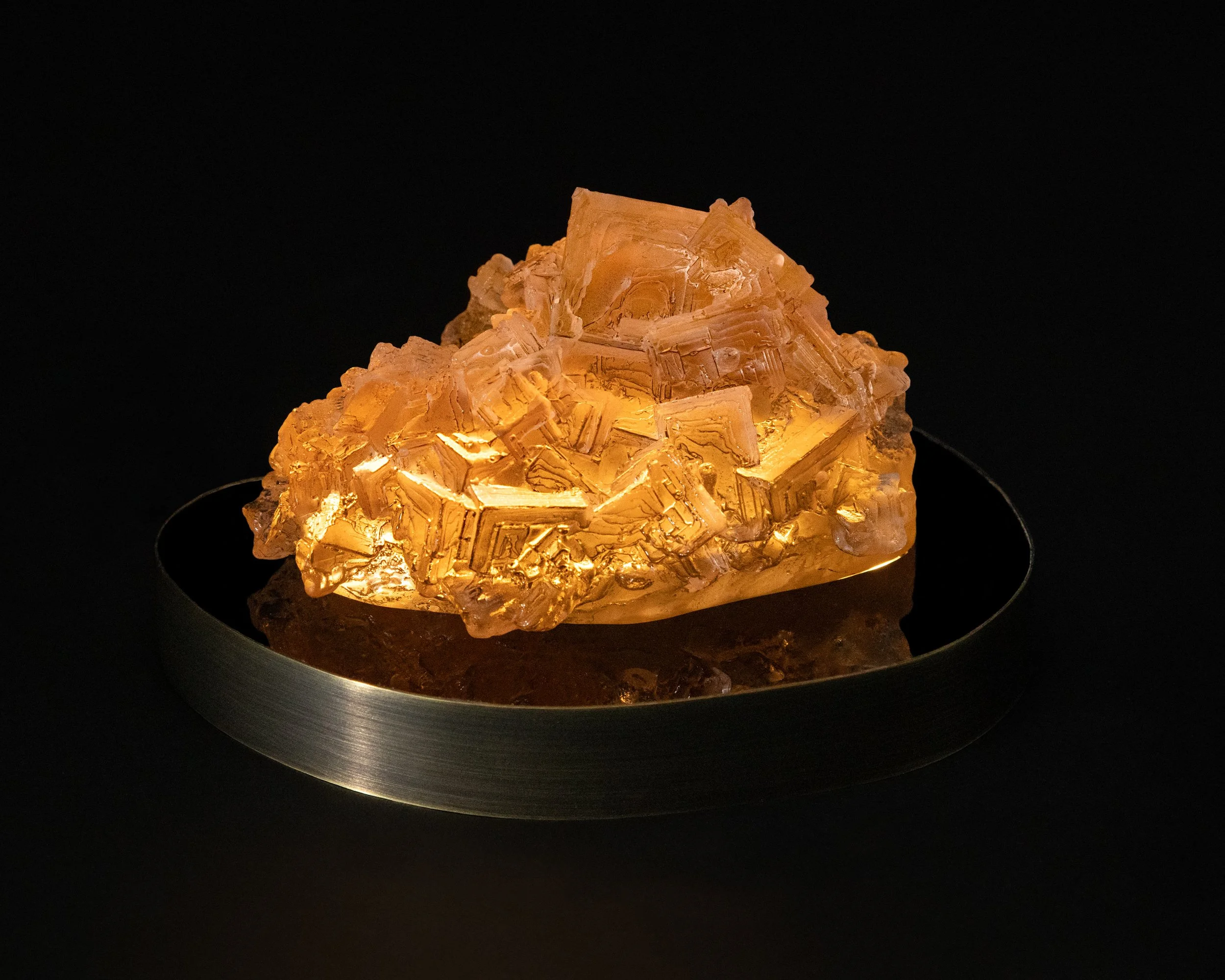
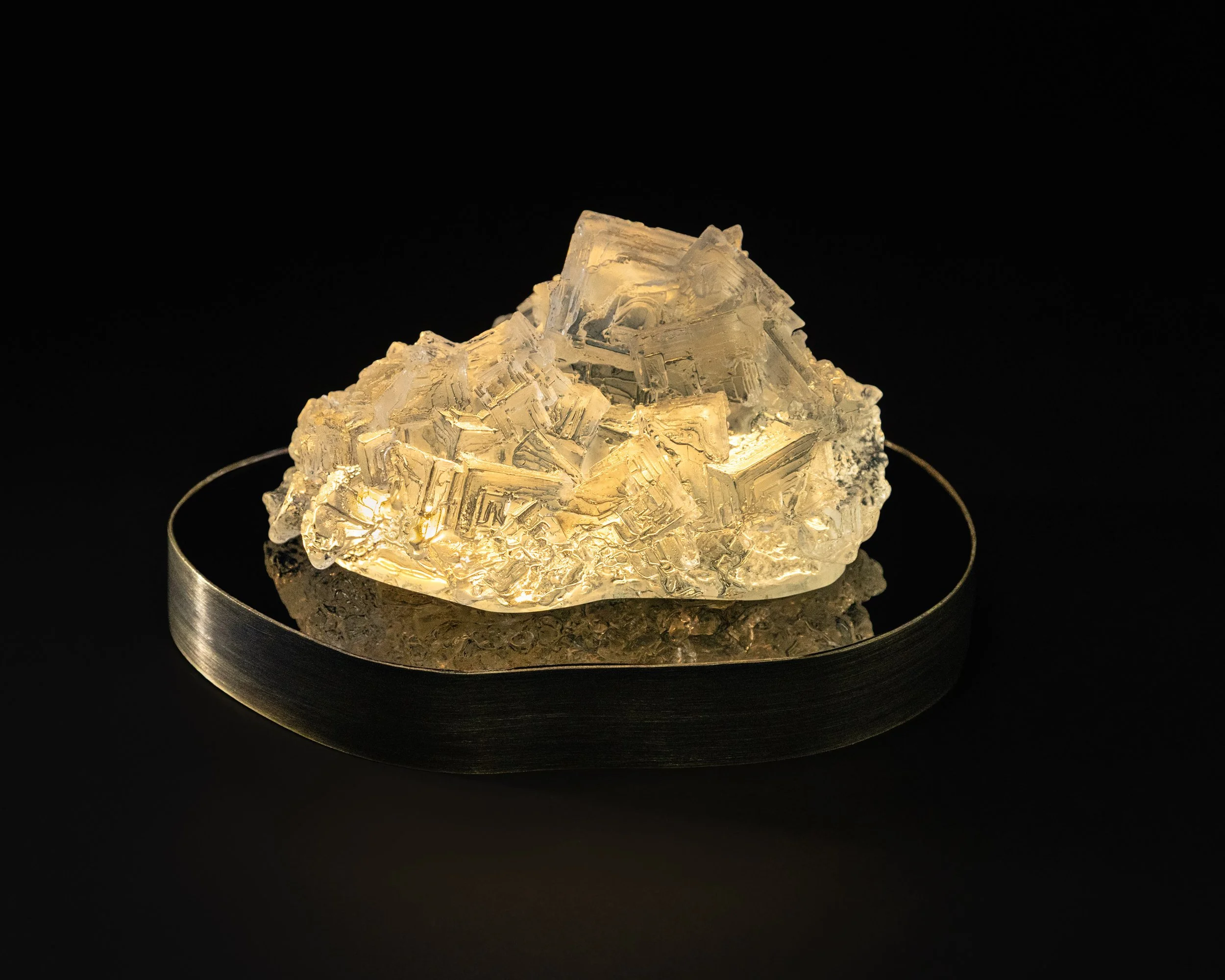
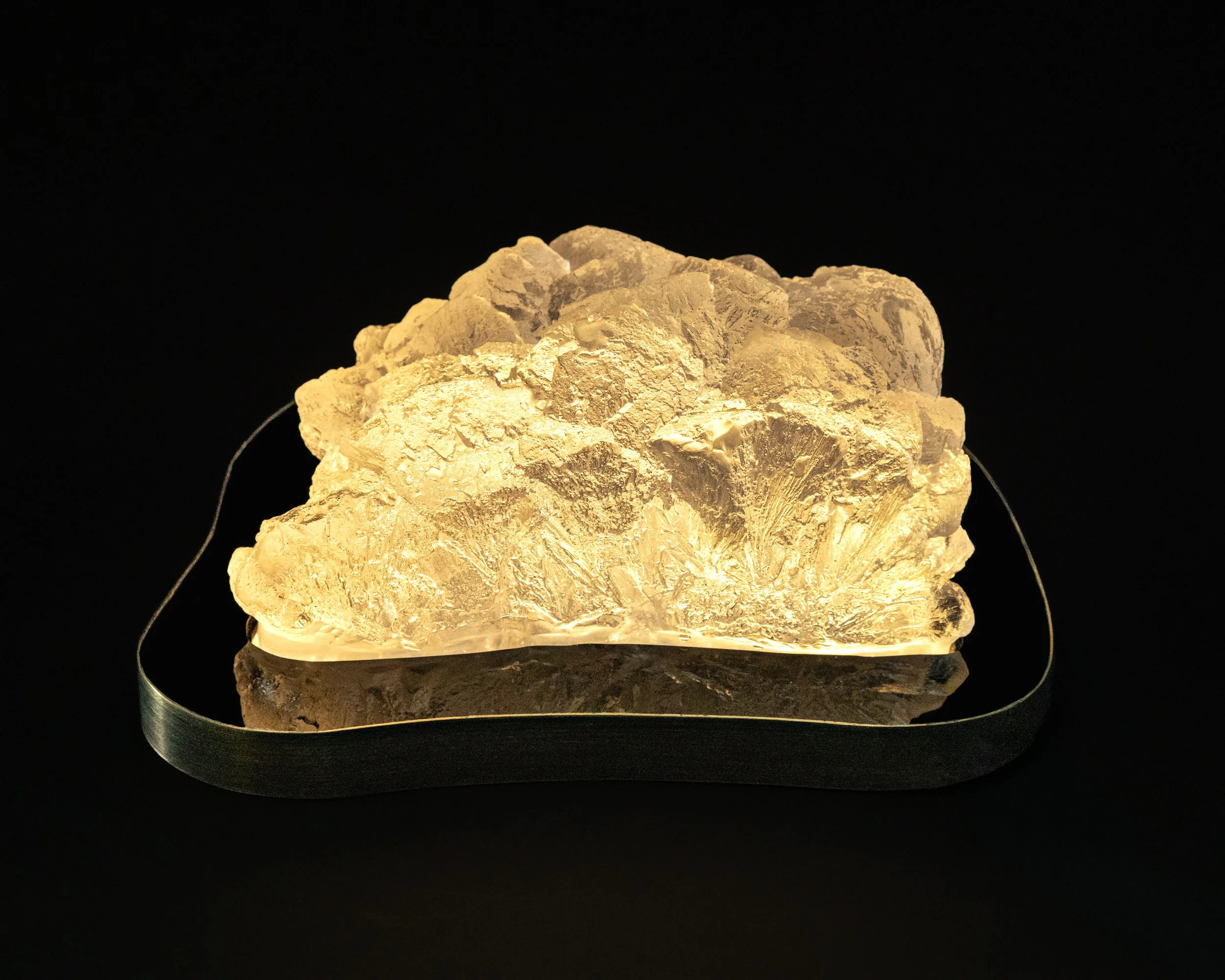
In 2025, our team collected salt crystals from the Owens Lakebed, which dried after the Los Angeles Aqueduct's construction in 1927, and dust mitigation efforts subsequently led to the formation of halite and trona crystals in its brine. Using both glass casting and blowing techniques, Caro Landau translated these crystalline formations into individual light fixtures. They set the pieces on acrylic and brass bases that echo the lake's watery, saline surface, creating objects that make visible a hidden chapter of California's environmental and water history.
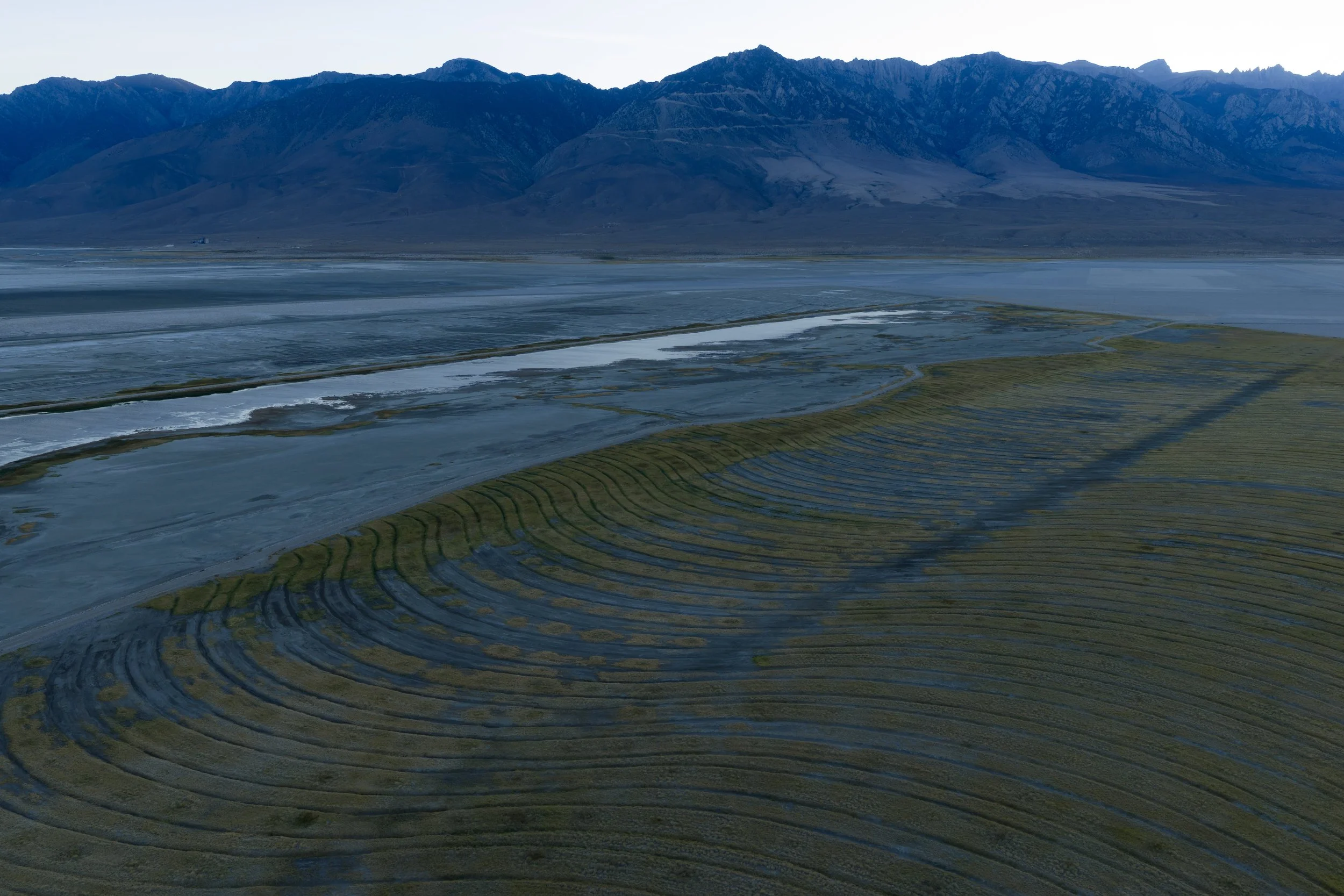
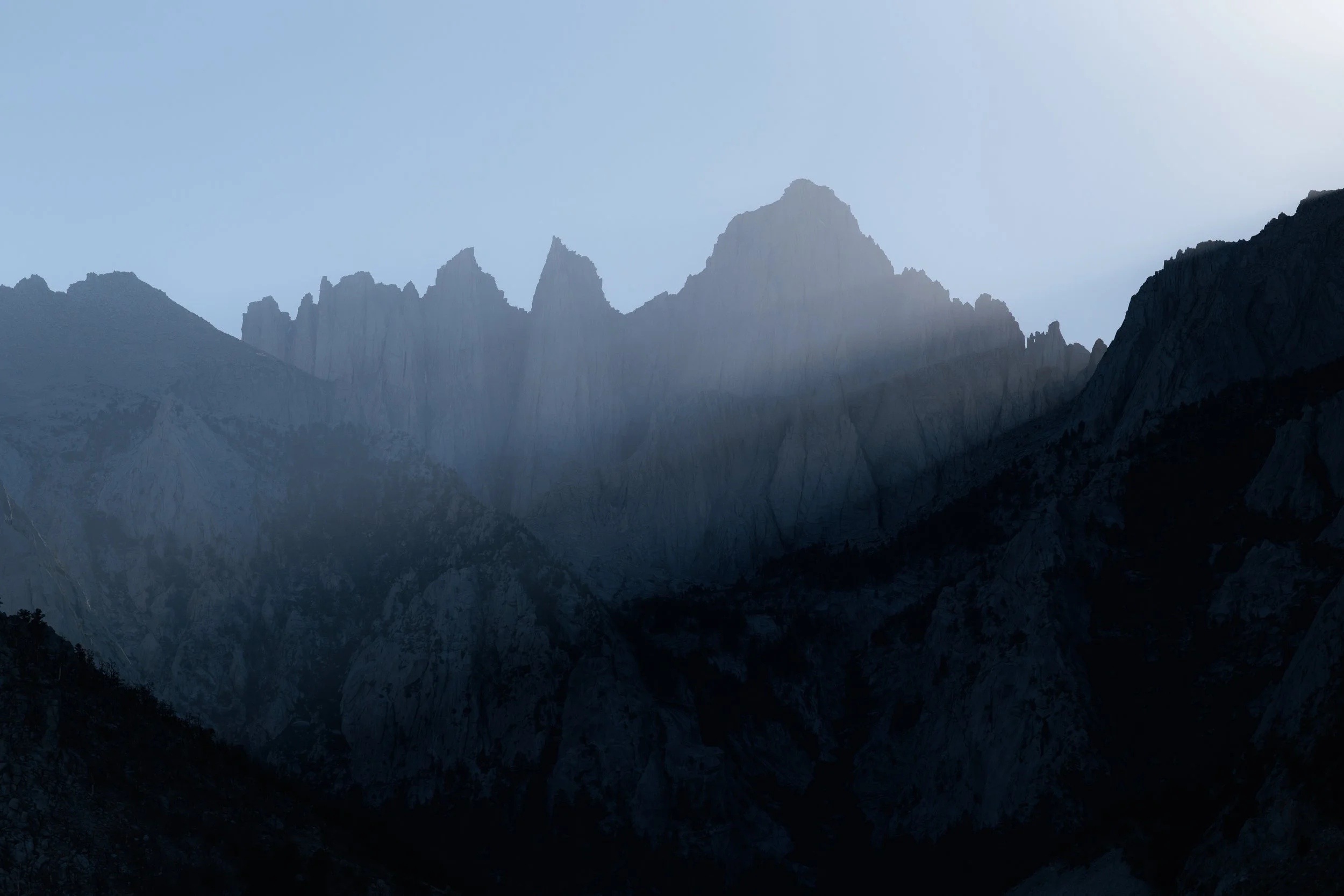
The project centers on California’s water history. In the early 1900s, Los Angeles was a growing city in need of water. The city bought the land all around Owens Lake and the river leading up to it over 200 miles away. The city built the Los Angeles Aqueduct, and by 1927, Owens Lake, which once had steamboats on it, dried up. Soon after it dried up, it became one of the most carcinogenic locations in the United States. It remained this way until the mid-1990’s. After the 1990s, Los Angeles began dust mitigation measures to reduce toxic dust, including tillage and shallow flooding. Because of the flooding, halite and trona crystals grow in the brine. Without the Owens Lake drying up and the dust mitigation, the crystals wouldn't exist. The crystals dissolve back into the water when rain and snow come in the winter months, and regrow as spring and summer dry up, concentrating the water to create a more saline solution. A goal of this project is to share the history of Owens and the Eastern Sierra and shed light on an object that represents California’s water history.
In this project, Landau used both blowing and casting processes. To make both molds, they still needed to create wax positives. From there, the process diverges for casting and blowing into different investment molds. In the casting process, after the molds are made and the wax is melted out, they melt billets (large chunks of glass) into the mold to get the texture. For the blowing process, they preheat the molds in the annealer and blow glass into the space once the wax has been melted out. Landau chose to make this project into individual lights. They wanted to explore how light would reveal the texture. Since the bases are made of acrylic and brass, they wanted to mimic the brine and the watery surface from which the crystals originated.
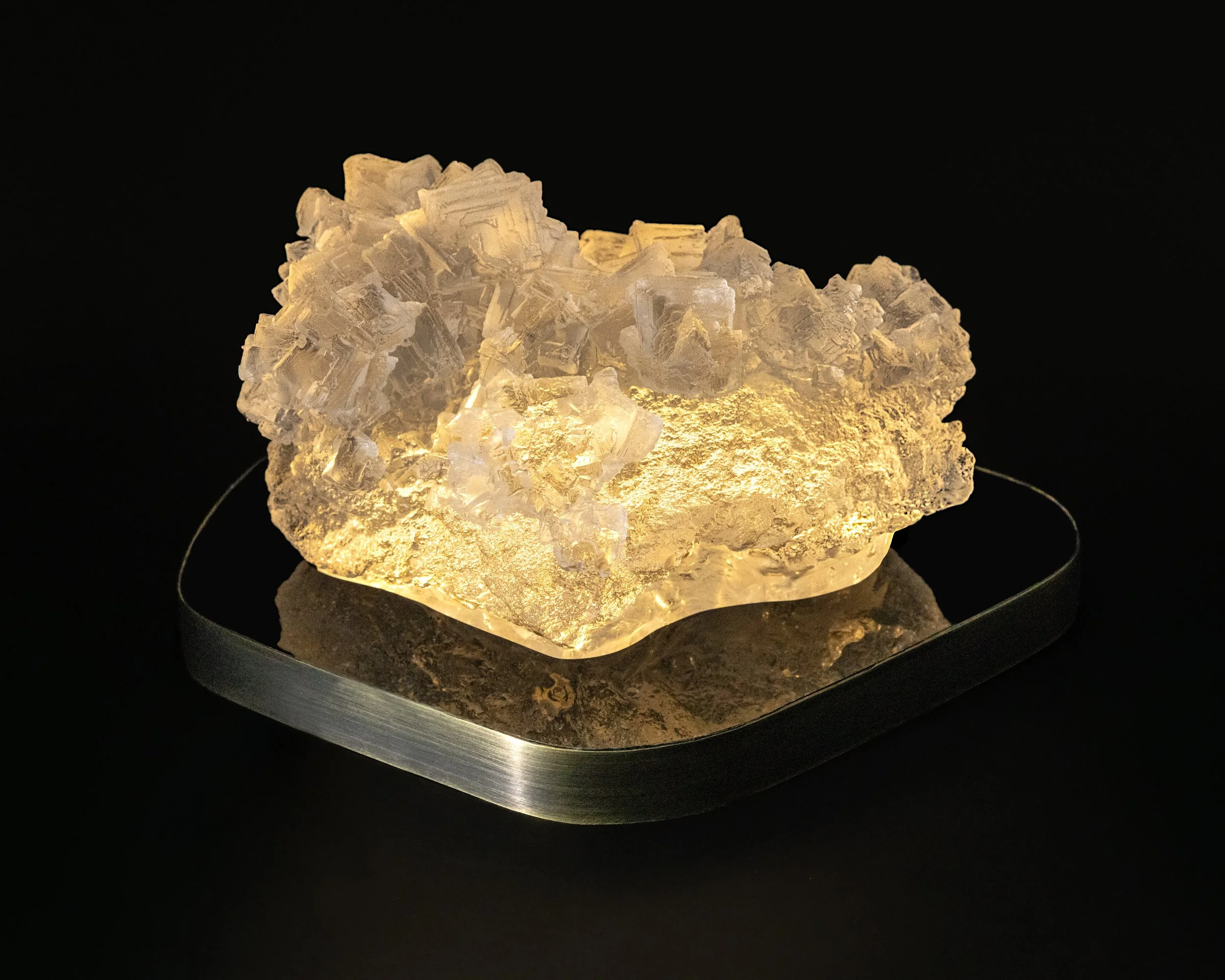
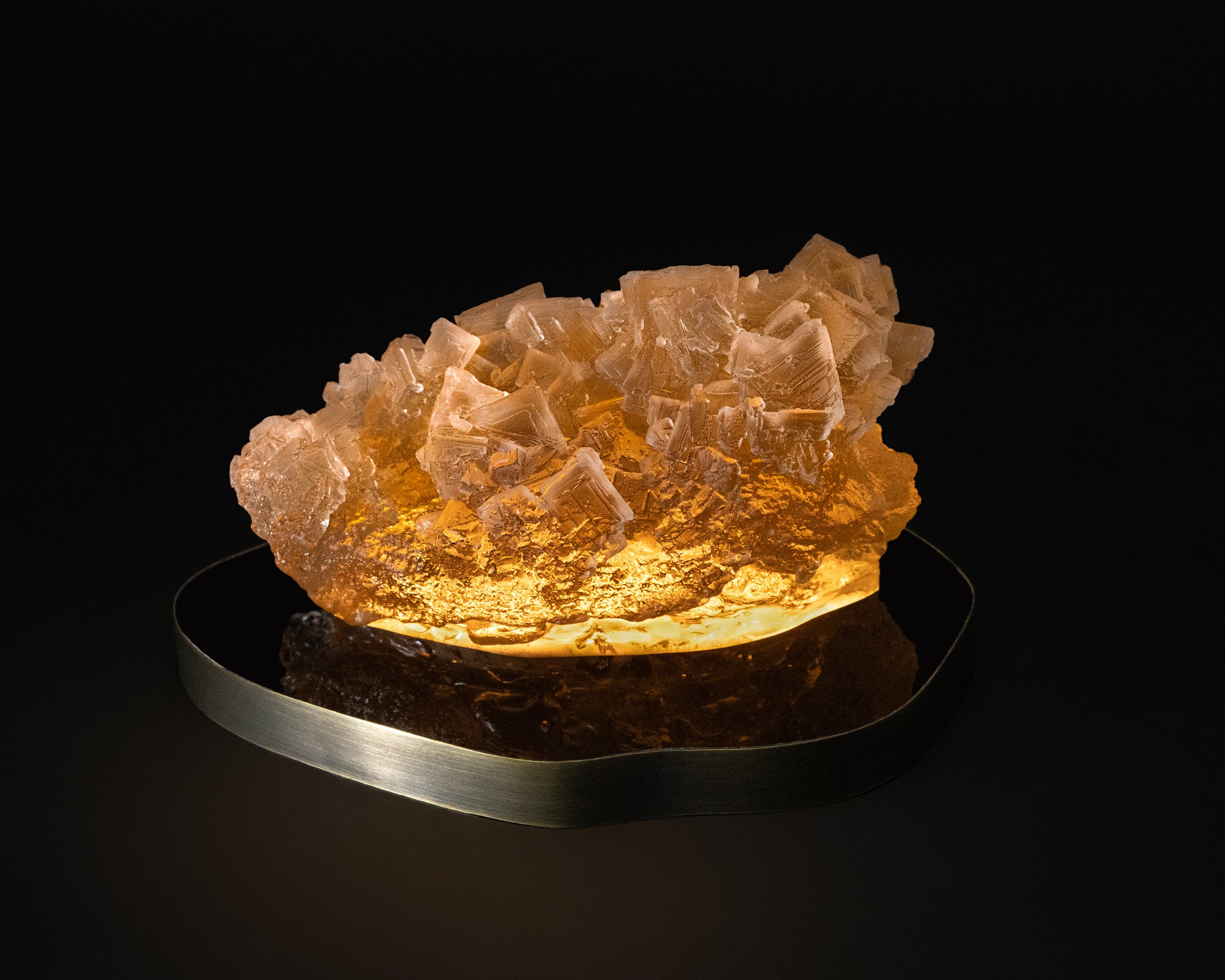
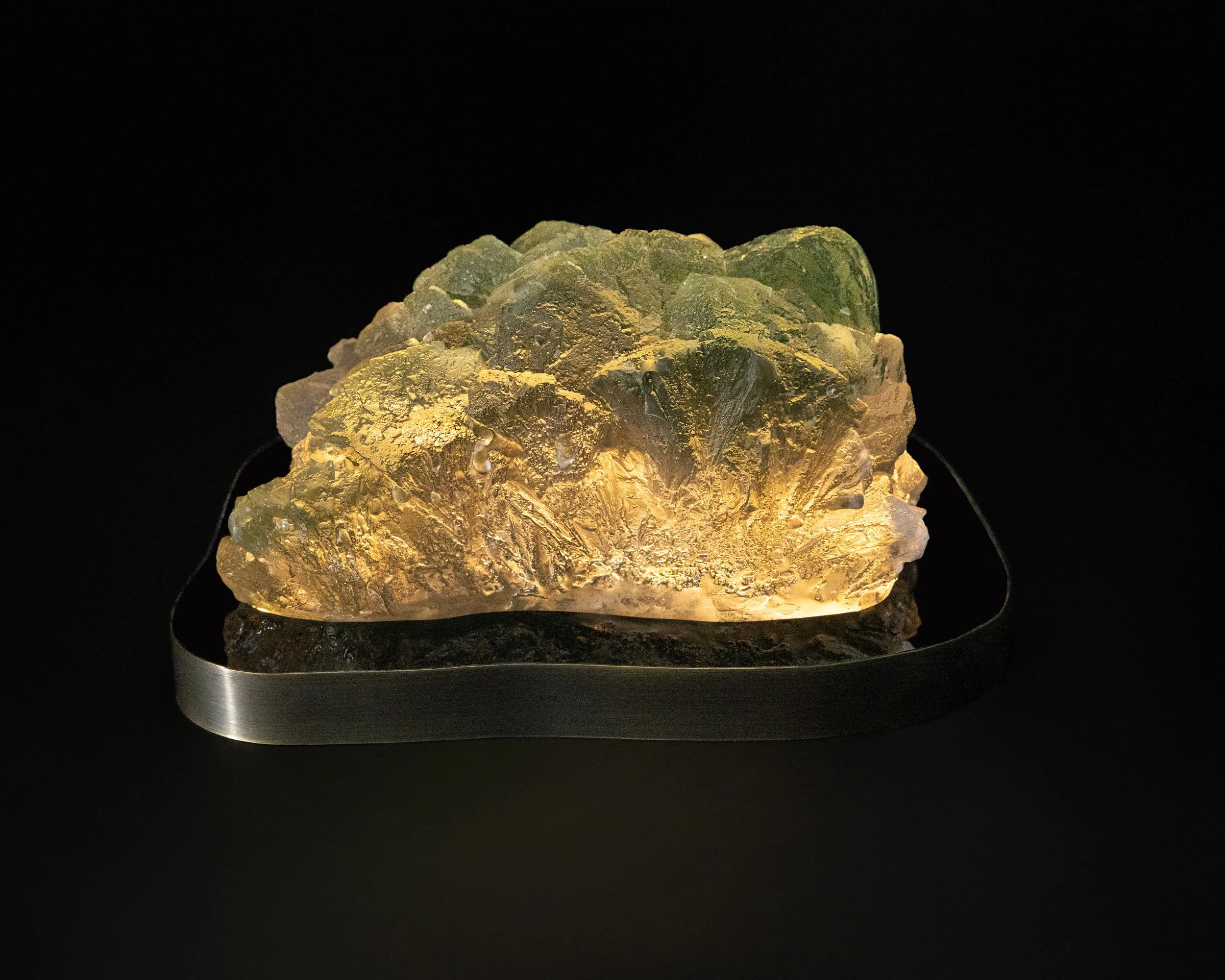
More views of each piece are below.